ع
ع



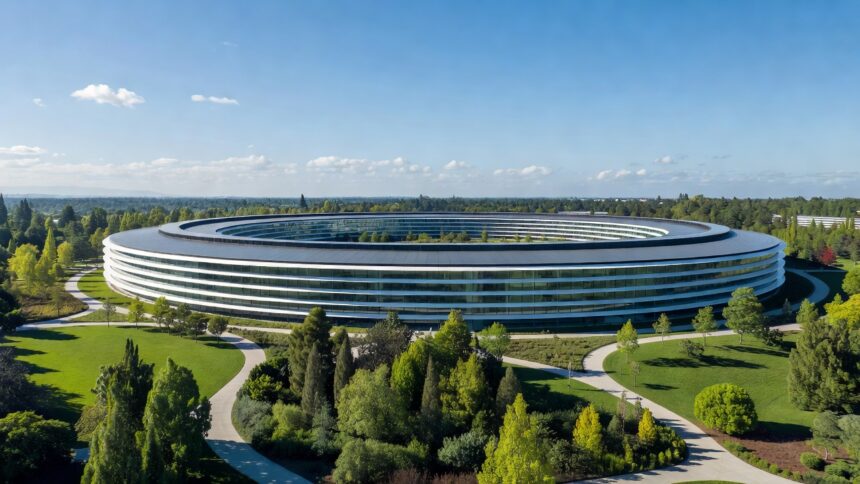


Apple shares plunged nearly 10 percent in trading on August 1, 2026 after the company delivered a revenue forecast that fell short of Wall Street expectations, according to a Reuters report. The decline, if it holds, would represent the company’s worst single-day performance since the pandemic-related selloff in March 2020. It would also erase close to $500 billion in market capitalization and return the title of the world’s most valuable company to Nvidia only days after Apple had reclaimed it. Under Tim Cook’s leadership since 2011, Apple’s stock has climbed more than 2,400 percent, a Yahoo Finance compilation of market data showed.
Tim Cook described the component shortages as very significant and noted that Apple had limited options to resolve them during what Reuters identified as his final earnings call as chief executive. Cook will hand over the CEO role to John Ternus on September 1, 2026 and transition to executive chairman, according to multiple reports from Yahoo Finance and CNBC that covered the call. The supply chain pressures stem from intense competition for advanced chips and memory as major technology firms build out artificial intelligence data centers. Cook said Apple’s earlier use of stockpiled inventory to offset rising memory costs was now fading.
Apple forecast revenue growth of between 9 percent and 11 percent in the current quarter, missing the roughly 12 percent expansion that analysts had projected, Reuters reported. The June-quarter results themselves had been strong overall, yet softer growth in the services segment overshadowed gains from robust iPhone sales. Services revenue includes a cut of App Store purchases along with subscriptions to Apple Music, Apple TV and other offerings that typically expand when iPhone ownership rises. Investors reacted negatively to the services slowdown given its usual correlation with hardware performance.
Shortages of processors had prevented Apple from fully meeting demand for both iPhones and Macs, Cook told analysts on the earnings call. Big Tech companies have been securing large volumes of chip-making capacity to support AI infrastructure, a dynamic that Reuters said is expected to shrink both the personal computer and smartphone markets this year. Industry consultant Ben Bajarin, chief executive of Creative Strategies, stated that if even a company of Apple’s scale has exhausted its supply chain flexibility then conditions are challenging across the sector. Morgan Stanley analysts added that Apple’s leverage over suppliers now appears in question.
The services slowdown could intensify if iPhone sales moderate following a price increase that many analysts anticipate for the new lineup due in September, according to the Reuters analysis of the results. Morgan Stanley analysts further observed that it remains unclear whether artificial intelligence is providing any measurable boost to Apple’s products or services. They suggested that softness in the App Store might even reflect customers reallocating time toward AI tools. The earnings call marked the close of Cook’s 15-year run presiding over quarterly reports, Yahoo Finance noted in its coverage of the transition to Ternus.
The supply chain strains highlighted in Apple’s guidance arrive against a backdrop of heightened global demand for semiconductors used in data centers. Reuters reported that price increases for these components have rippled through the broader technology industry. Apple had previously benefited from its scale and inventory management practices to navigate such constraints, yet Cook indicated those advantages were now limited. The development underscores ongoing challenges in balancing innovation priorities with component availability across the sector.