ع
ع


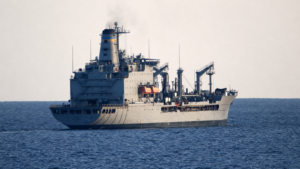
The Qatar Central Bank’s Annual Macroeconomic Report 2025 stated that robust fiscal reserves, strong external positions and a highly liquid, well-capitalised banking sector continue to serve as key shock absorbers for the domestic economy amid persistent geopolitical friction and maritime disruptions through the Strait of Hormuz. The report emphasised that solid macroeconomic fundamentals combined with the government’s ability to implement proactive policies enhance overall resilience to potential external shocks. According to the assessment, these buffers have allowed the economy to enter the current period from a position of strength despite broader regional challenges.
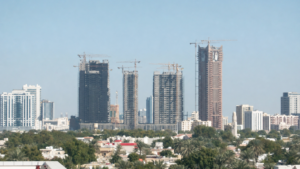
Prior to the escalation of tensions in late February 2026, the central bank had projected real GDP growth of approximately 6.1 percent for the year, driven by continued expansion in liquefied natural gas production capacity. The QCB report noted that the Qatari economy recorded 2.9 percent real GDP growth in 2025, with non-hydrocarbon activities providing substantial momentum in the final quarter. A 12.5 percent year-on-year surge in the construction sector led that expansion, supported by steady contributions from manufacturing and services, the report added.
An International Monetary Fund staff assessment from early 2025 found that Qatar’s non-hydrocarbon economy has grown to account for about two-thirds of total output, underpinned by significant public infrastructure investment over the preceding decade. The QCB report highlighted that sustained energy demand from major Asian markets, including China, India and South Korea, offers long-term stability for Qatari LNG and petrochemical exports. The central bank cited the April 2026 IMF World Economic Outlook in noting that this demand supports global energy needs while strengthening Qatar’s exports, trade surplus and public revenues.
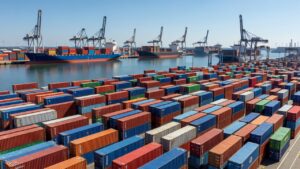
The persistence of Middle East tensions poses downside risks to domestic, regional and global growth prospects, the QCB report stated. Disruptions to supply chains linked to the Strait of Hormuz could affect the hydrocarbon sector, which plays a pivotal role in the economy, while higher transportation costs may impact logistics, aviation and tourism. The assessment acknowledged that these factors introduce clear uncertainties to the earlier growth projections.
To support long-term competitiveness, the Qatar Central Bank and the Qatar Financial Markets Authority have advanced capital market reforms aimed at modernising financial infrastructure and broadening the domestic investor base. The QCB report described the banking sector as well positioned, with high capitalisation and liquidity levels that have helped maintain stability even as external conditions tightened. Recent IMF data placed the sector’s capital adequacy ratio near 20 percent in late 2024, with non-performing loans broadly stable and well provisioned.
Qatar’s official international reserves and foreign currency liquidity have shown year-on-year increases, reaching more than QAR 260 billion by mid-2025 according to central bank figures, reinforcing the buffers outlined in the report. The combination of these reserves with ongoing non-hydrocarbon diversification continues to anchor economic performance, the QCB assessment concluded. Sustained implementation of national development strategies is expected to further embed these gains over the medium term.