ع
ع



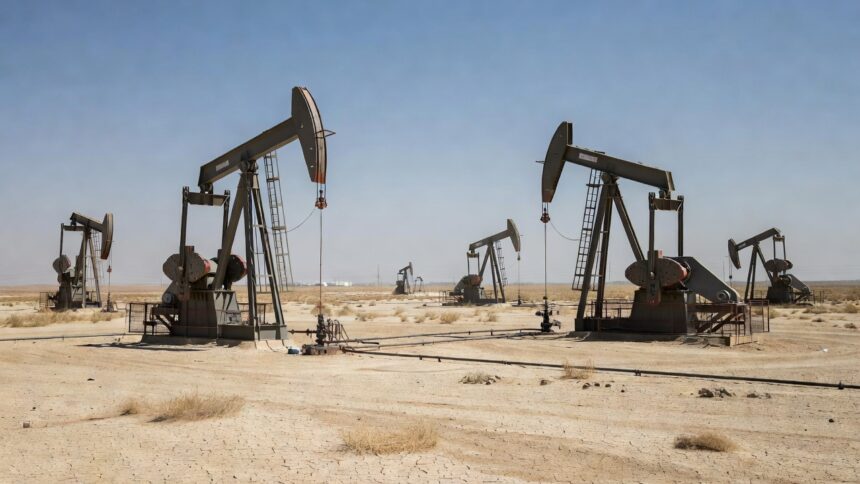


OPEC+ will likely freeze further oil supply hikes from October through December after it finishes returning barrels from earlier voluntary reductions to the market, four sources with knowledge of internal discussions said. The decision would keep roughly 2 million barrels per day of group-wide cuts intact beyond September as members confront challenging talks over fresh production allocations complicated by ongoing conflict in the Middle East. That conflict has sharply curtailed the bloc’s effective spare capacity and forced several producers to trim exports despite earlier plans for gradual increases. According to Reuters sources, no final decision has been reached and OPEC+ along with Russian officials declined immediate comment on the matter.
Seven core OPEC+ members including Saudi Arabia, Russia, Iraq, Kuwait, Algeria, Kazakhstan and Oman are expected to raise their collective output target by 188,000 barrels per day for September at a meeting scheduled for August 2. The step would finalise the unwinding of a 1.65 million barrels per day supply cut originally agreed in 2023 before the United Arab Emirates exited the organisation in May. This year’s quota adjustments have remained largely notional because the war between the United States, Israel and Iran compelled Middle East participants to curtail shipments rather than add barrels. The International Energy Agency’s latest assessments indicate that such disruptions continue to weigh on global supply patterns even as inventories are rebuilt in the near term.
A separate layer of approximately 2 million barrels per day in cuts dating from 2022 will remain active until the end of 2026 for most participants, one source added. OPEC+ is also conducting a review of member states’ maximum sustainable production capacity that will serve as the foundation for setting 2027 baselines and quotas. Iraq has already signalled it will press for higher individual allocations to match its expanded infrastructure while other members weigh competing claims. These internal dynamics coincide with an external market outlook that a recent OPEC report described as increasingly uncertain given subdued demand growth.
Giovanni Staunovo, an analyst at UBS, said that future production levels will hinge on how the Middle East conflict evolves. He noted that the group’s ongoing process to establish maximum sustainable capacity levels for all members will likely determine the scope for any subsequent adjustments. UBS assessments align with broader industry views that any resumption of flows through the Strait of Hormuz could rapidly alter the supply picture and intensify pressure on OPEC+ to coordinate tighter management.
The International Energy Agency has projected that global oil supply could exceed demand by a significant margin in 2027 if tanker traffic resumes through the Strait of Hormuz, with supply potentially rising 8 million barrels per day against demand growth of only 2 million barrels per day. Earlier IEA monthly reports for mid-2026 showed OPEC+ crude output fluctuating around 30 million barrels per day after accounting for voluntary curbs and compensation adjustments. These forecasts underscore the surplus risk that sources said is prompting the group to hold output steady rather than accelerate unwinding of cuts.
OPEC separately lowered its forecast for global oil demand growth in 2026 to 780,000 barrels per day in a mid-month assessment that cited weaker economic activity across major consuming regions. The organisation’s own World Oil Outlook scheduled for release earlier in the year had already highlighted structural shifts including energy transition pressures that could cap long-term consumption gains. With 21 countries now forming the wider OPEC+ alliance but only the seven core producers actively adjusting monthly volumes, the group must balance these macroeconomic signals against internal demands for larger shares of any future increases.