ع
ع



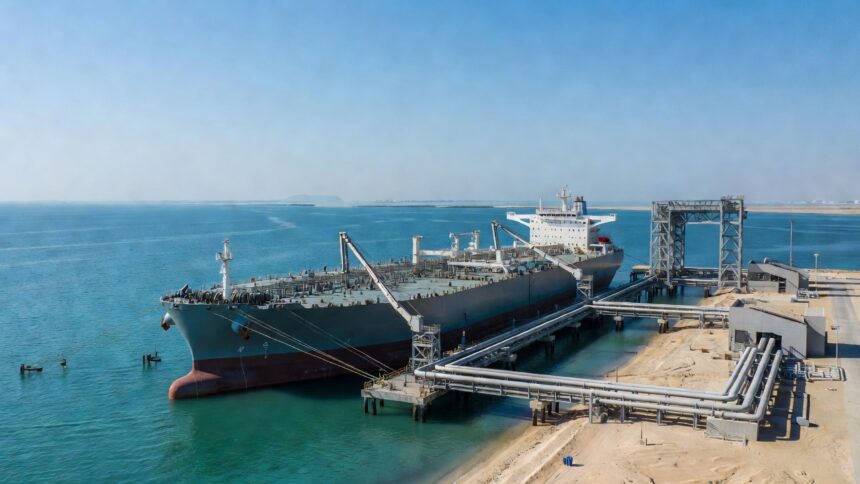


A Reuters report detailed that Saudi Aramco loaded three VLCCs with two million barrels each from its Juaymah and Ras Tanura terminals between August 12 and 16. The company has offered Arab Medium and Arab Heavy crude for loading this month via ship-to-ship transfers off Fujairah in the United Arab Emirates to some Asian refiners. Trade sources cited by Reuters indicated the move could ease tightness in supplies of heavier grades while Kpler data showed six more VLCCs scheduled to load before month-end. Traders suggested Aramco could deploy its own tankers for portions of the resumed trade.
The loadings ended a three-week gap in operations from terminals inside the strait. Saudi Aramco had suspended sales for several weeks after attacks on its tanker fleet during an escalation in the US-Iran conflict the previous month according to the Reuters dispatch based on shipping data. The company declined to comment on the resumption when approached by the news agency as did Sinokor which was involved in prior activity. LSEG data placed seven Bahri-owned VLCCs off the UAE and Oman coasts with two additional vessels heading to Fujairah.
US Energy Information Administration figures show oil flows through the Strait of Hormuz averaged 20.9 million barrels per day in the first half of 2025. The agency assessment found these volumes represented about 20 percent of global petroleum liquids consumption before recent disruptions altered patterns. Saudi Arabia has adjusted export routes in response to the security incidents that prompted the temporary halt in direct Gulf loadings.
Yemeni Houthi actions have imposed a separate blockade in the Red Sea complicating Saudi export logistics further. This has increased reliance on the Yanbu terminal reached via the East-West pipeline and on loadings from Egypt’s Sidi Kerir port on the Mediterranean according to Kpler tracking. The Sidi Kerir volumes have accounted for roughly 0.67 million barrels per day against prior levels near four million barrels per day from the Red Sea route.
Vortexa analyst Emma Li said “This shows that the Sidi Kerir offering to Asia is likely not working Chinese not happy with long voyages and high freight cost”. The assessment from Vortexa highlighted limited buyer interest in the alternative supplies due to added transit expenses and duration. Kpler data has similarly tracked reduced uptake for those Mediterranean offerings from Asian customers.
Maritime intelligence from multiple firms continues to monitor vessel positions and loading intentions in the area as Saudi exports adapt to the combined pressures from both waterways. Reuters noted that overall crude movements remain below normal levels amid the ongoing regional constraints. Additional VLCC activity is expected in coming weeks based on current scheduling data from Kpler and Vortexa.