ع
ع




Saudi Arabia welcomed 29.3 million inbound tourists in 2025. Kholoud Attar’s DRB is expanding from Diriyah to Al-Baha as Saudi cultural products become a larger part of the visitor economy.
Saudi Arabia’s tourism economy is moving rapidly from visitor growth into commercial depth. The Kingdom recorded about 123 million domestic and inbound tourists in 2025, up around 6 percent from 2024, while total tourism spending reached a record SAR304 billion. Within that total, 29.3 million inbound visitors spent SAR176.6 billion, according to the Ministry of Tourism’s 2025 annual figures. The national ambition has meanwhile risen to 150 million visits by 2030. That growth is creating a sizeable market around everything a visitor experiences beyond hotels and attractions, including design, craft, gifting and products that translate Saudi places into objects people can carry home.
The next layer of the visitor economy
Saudi cultural policy is increasingly giving that retail layer a formal commercial structure. In November 2025, the Ministry of Culture introduced a policy designed to place more handicrafts in commercial outlets, with an initial phase including stores at Riyadh’s King Khalid International Airport and the Radisson Blu in Jeddah. A month later, Saudi Artisanal Company launched Artisana, a retail brand operating within an ecosystem the company said included more than 4,000 licensed craftspeople. Saudi Exports has also introduced a “Saudi Craft” sub-brand under the Made in Saudi identity to support handicrafts in domestic and international markets. Together, the retail-outlet initiative and Artisana’s launch point towards a cultural retail category becoming more organised, visible and scalable.
The opportunity extends well beyond conventional souvenirs. Saudi Artisanal Company is developing stores and corporate-gifting services, From AlUla has entered a distribution partnership with it, and Artfeena operates at Bujairi Terrace alongside international luxury brands. Cultural retail is beginning to sit at the intersection of destination merchandising, design, luxury gifting and storytelling. The strongest concepts are increasingly those able to give each Saudi region its own commercial language while maintaining the quality and consistency expected from a national brand.
From a caravan to a destination network
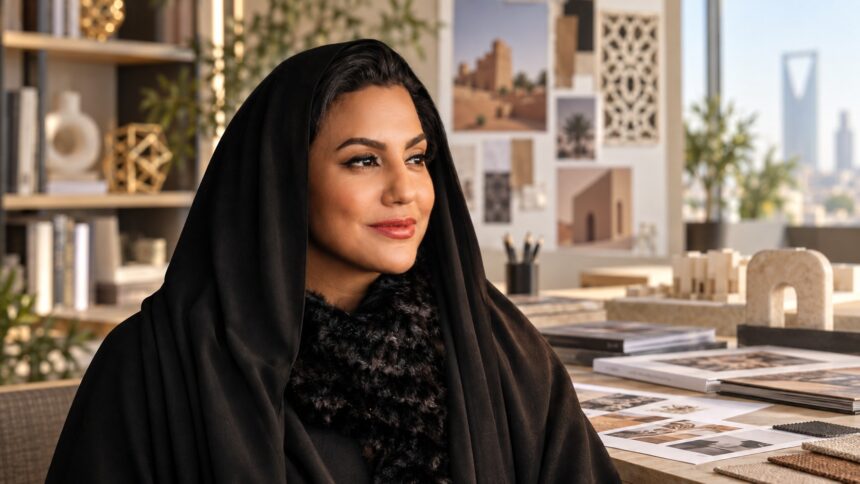
This is where Kholoud Attar’s DRB Saudiverse becomes a useful case study. Attar told Sayidaty in May that DRB began in 2022 with a travelling caravan before establishing a presence at the Saudi National Museum, Bujairi in Diriyah and a flagship location at Al-Samhaniya. DRB’s current retail footprint now also includes Al-Baha, where the brand has expanded through Qamra Hotel while working with designers and artisans connected to the region.
The sequence is significant because it turns a retail concept into a destination platform. Diriyah, Riyadh and Al-Baha each carry a different visual and cultural vocabulary, allowing the products to become part of how visitors encounter a place rather than simply what they purchase at the end of a visit.
Capital has followed the model. On 20 May 2026, DRB announced its first strategic investment from House of Artifacts, whose investors it identified as Prince Faisal Al Saud, Abdullah Al Drees and Bander Saeed. The investment coincided with the opening of the Al-Samhaniya flagship and was connected to plans for physical expansion, Saudi production and new product lines. Attar described the proposition in the company’s investment announcement: “With DRB Saudiverse, we are not simply creating souvenirs … we are crafting emotional and cultural stories that allow visitors and residents alike to carry a piece of Saudi Arabia with them.”
Regional identity becomes commercial infrastructure
Al-Baha shows where the category can go next. As tourism expands across the Kingdom, cultural retail gains value when it becomes more geographically specific. Products associated with Al-Baha can emerge from the region’s own design references, materials, craftspeople and stories, just as future concepts in Asir, Hijaz, Najd, AlUla or the Eastern Province can develop their own visual signatures.
That approach aligns naturally with the scale of Saudi tourism ambitions. A market moving towards 150 million annual visits creates room for networks of locally rooted products, designers and makers to grow alongside hotels, airports, heritage sites and entertainment destinations. DRB’s journey from a travelling caravan to a multi-location Saudi concept offers an early picture of that possibility. Tourism has supplied the audience; cultural retail is now building the objects, stories and brands through which visitors can remember the places they came to see.