ع
ع





Provisional figures from ship-tracking firm Kpler placed the seven-day moving average for regional crude exports at 18.3 million barrels per day on September 30, with volumes surpassing the pre-war benchmark on 14 days during the month. Those shipments, which included transits via the Strait of Hormuz, the Red Sea, terminals and ship-to-ship transfers, followed an average of roughly 18 million barrels per day in the 12 months before the US-Israeli war with Iran began. When refined products, chemicals and non-gas liquids were included, the overall average reached 22.4 million barrels per day in the seven days through September 30.
Exports climbed between 19.5 million and 22.5 million barrels per day on September 24 and from September 27 through September 29, according to Kpler data. Vortexa placed the 14-day moving average for Middle East crude and condensate at 18.6 million barrels per day, exceeding the 10-year seasonal average and returning to pre-conflict levels. Liquefied natural gas cargoes passing through the strait also rose to their highest monthly total since February.
Kpler attributed the September surge largely to Saudi Arabia ramping up loadings from both Red Sea and Gulf terminals three weeks after an attack on its East-West pipeline on September 10. Iraq’s state-owned Oil Tanker Company and certain refiners additionally chartered vessels to load Basrah crude inside the strait after Baghdad obtained Iranian permission for such passages. The developments allowed regional flows to recover despite the lapse of a prior US-Iran memorandum of understanding that had briefly supported shipments in June and July.
Senior market analyst Xavier Tang at Vortexa said most of the month-on-month increase stemmed from Saudi Arabia working to regain market share from other Middle Eastern producers. A separate Kpler assessment found that at least 16.5 million barrels per day left the region in September, matching pre-war averages when Iranian volumes were excluded. The firm noted that 40 percent of regional crude now bypasses the Strait of Hormuz via pipelines in Saudi Arabia and the United Arab Emirates, compared with 17 percent before the conflict.
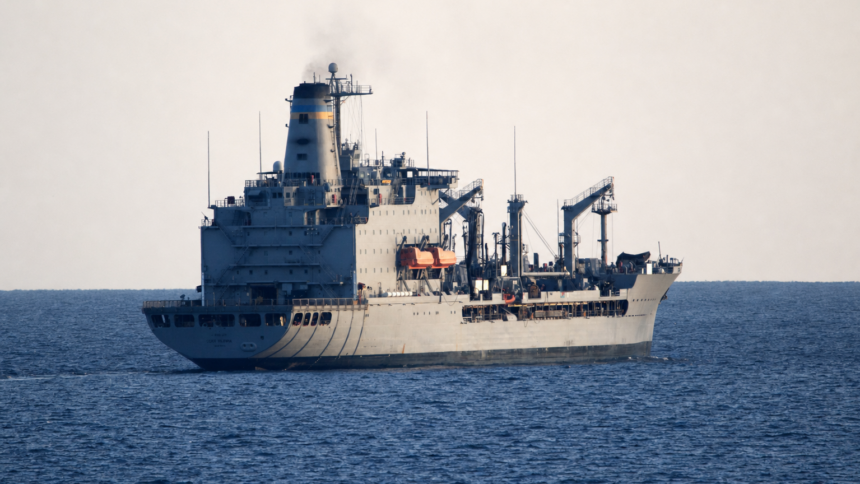
A Saturday report from shipping intelligence firm Marisks documented at least seven attacks on vessels in and around the Strait of Hormuz in recent weeks. The Kuwaiti very large crude carrier Kazimah III was struck by an unidentified projectile on October 1, sparking a fire on board although all crew members were evacuated safely after the vessel had discharged two million barrels of Kuwaiti crude at Oman’s Ras Markaz port in mid-September. Marisks described the incidents as part of a pattern affecting merchant ships transiting the chokepoint.
Marisks warned that vessels now encounter a heightened and increasingly unpredictable kinetic threat amid the recent rise in traffic volume. The firm suggested Iranian forces may be directing strikes into a predetermined “kill box” area rather than aiming at individual targets. Kpler data indicated that actual flows could be higher than reported because some tankers disable their tracking transponders while crossing the strait.