ع
ع





The Turkish Statistical Institute reported that annual consumer inflation eased to 29.73 percent in September from 31.51 percent in August, coming in below the 30.3 percent median forecast in economist surveys. Consumer prices rose 1.84 percent on the month, missing expectations for a 2.3 percent gain and matching the pace seen in the prior period. The annual reading represented the fourth consecutive monthly decline and the lowest level since November 2021, according to TurkStat data. The institute’s figures also placed the domestic producer price index at an annual 27.38 percent, down from 27.95 percent a month earlier.
TurkStat figures showed food and non-alcoholic beverage prices fell 0.20 percent from the previous month, subtracting 0.05 percentage points from the monthly inflation print. Transportation costs climbed 2.79 percent while housing, water, electricity, gas and other fuels advanced 2.71 percent, contributing 0.49 and 0.33 percentage points respectively to the monthly increase. On an annual basis food prices rose 27.62 percent, transportation 35.10 percent and housing 39.99 percent, the data indicated. These three groups together accounted for more than 17 percentage points of the annual inflation rate.
According to the Turkish Statistical Institute the core C index, which strips out energy, food, alcoholic beverages, tobacco and gold, increased 28.70 percent annually and 2.14 percent on the month. The B index excluding unprocessed food, energy, alcohol, tobacco and gold rose 29 percent from a year earlier and 2.01 percent from August. Producer prices climbed 2.07 percent in September, the institute’s breakdown showed. Annual producer inflation eased to 27.38 percent, TurkStat data placed.
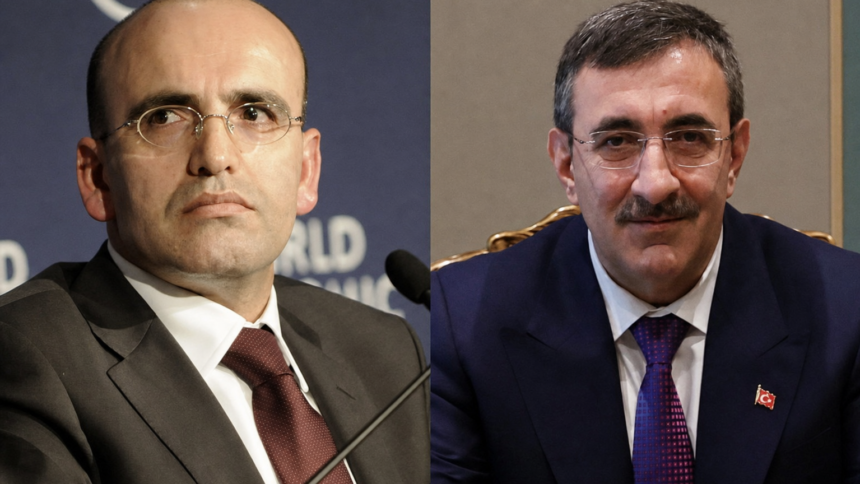
Finance Minister Mehmet Şimşek stated on social media that disinflation was spreading across the board with the exception of transportation while food inflation had decreased by 8.4 percentage points from a year earlier to an annual 27.6 percent. Vice President Cevdet Yılmaz noted that the downward trend in inflation had accelerated despite pressures from external developments including the impact of regional conflicts. Both officials framed the data as evidence that policy measures were taking hold, according to their published remarks. The minister added that annual inflation had now fallen below 30 percent for the first time since November 2021.
The Turkish Statistical Institute data arrives as policymakers prepare for a central bank meeting later in October where analysts anticipate a further interest-rate reduction to ease liquidity strains. Trading Economics analysis indicated the September outcome strengthened expectations for such a cut by confirming the disinflation path. Annual inflation has now declined for four straight months after earlier pressures linked to energy costs and geopolitical tensions. The central bank has been gradually easing policy after reversing course temporarily earlier in the year.
Economists following the release observed that the undershoot in both monthly and annual figures could support further monetary relaxation provided the trajectory remains steady. Core measures continued to show persistent underlying pressures even as headline readings moderated, according to the TurkStat indices. The institute’s report highlighted transportation as the main outlier preventing even broader disinflation across categories. Officials have repeatedly stressed that sustained declines will depend on coordinated fiscal and monetary steps in the coming quarters.