ع
ع



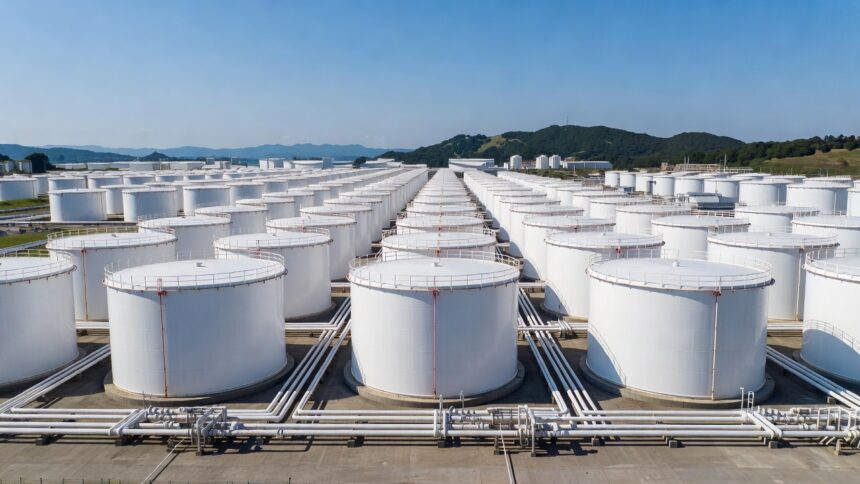


The panel, composed of university professors and lawyers, was created within the Advisory Committee for Natural Resources and Energy and held its inaugural closed-door meeting on the same day it was established. This development reflects growing worries about disruptions to petroleum product availability, particularly following the effective closure of the Strait of Hormuz due to heightened conflicts in the Middle East. Trade Minister Ryosei Akazawa had signaled in the spring that resuming naphtha stockpiling obligations, discontinued in 1993 over high costs, was under consideration after industry complaints regarding shortages of thinners and paints.
Japan’s strategic petroleum reserves have been significantly drawn upon in recent months to stabilize domestic markets. The country released a record 80 million barrels of oil in March 2026 from private-sector and national stockpiles to counteract supply shocks from Middle East developments, according to Reuters. That release represented about 45 days of the nation’s consumption and came as gasoline prices climbed.
The International Energy Agency’s figures indicate Japan holds oil stocks covering 183 days of net imports, substantially exceeding the agency’s 90-day requirement for member states. Overall reserves, encompassing government, private and joint holdings with producers including Saudi Arabia, the United Arab Emirates and Kuwait, amount to roughly 470 million barrels or 254 days of total consumption, Ministry of Economy, Trade and Industry data shows. These buffers were built up under the framework of the Oil Stockpiling Act, which sets multi-year targets after consultations with advisory panels.
Discussions within the new working group are set to focus on both reinstating certain stockpiling mandates and broadening the sources of crude oil imports to enhance resilience. The group will assess the feasibility of measures that balance cost considerations with supply security needs in an increasingly volatile global energy landscape. Officials have noted that naphtha, a critical input for the petrochemical sector, warrants particular attention given past supply constraints.
The establishment of the panel aligns with Japan’s broader energy security policies that include joint stockpiling programs with oil-producing nations. Under these arrangements, Japan has priority access to reserves held in the country by partners such as the UAE, which has engaged in talks to expand such cooperation, a Reuters report from May detailed. The Japan Organization for Metals and Energy Security oversees the national stockpiling efforts that form a core component of the strategy.
Japan abolished naphtha stockpiling requirements more than three decades ago but recent events have prompted a reevaluation of that policy. The working group’s recommendations are anticipated to inform future adjustments to stockpiling targets and procurement practices. Its closed nature suggests that initial deliberations will remain internal as experts gather data and formulate proposals.