ع
ع



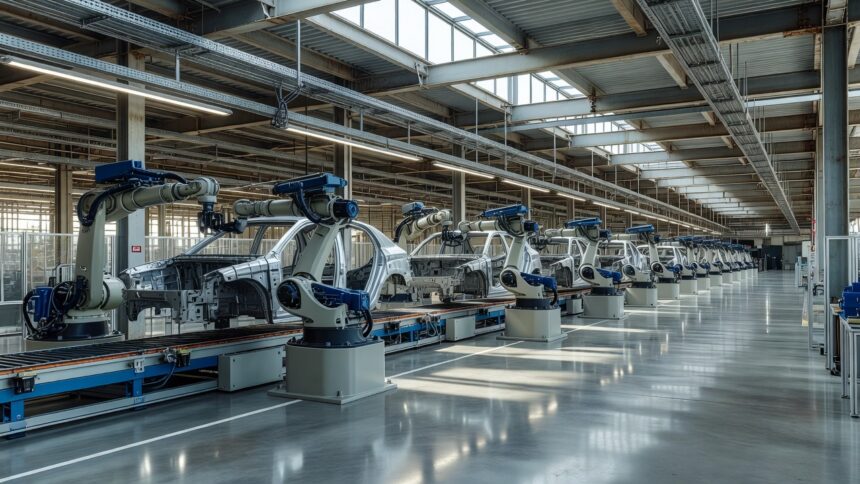


The German Economic Institute reported that industrial employment reached its lowest level in a decade last year, with the decline attributed to companies’ reluctance to fill vacancies rather than outright dismissals. According to the institute’s study released in June 2026, the sector employed just 6.6 million people in 2025. This development reflects ongoing pressures on Europe’s largest economy from weak global demand and structural changes.
A separate assessment placed the monthly job loss rate at roughly 15,000 positions across manufacturing, including the automotive industry. The Wall Street Journal analysis cited by SFG Media in April 2026 drew attention to this pace of contraction. Mercedes-Benz saw profits drop by 49 percent in 2025 while Volkswagen recorded a 44 percent decline, those reports indicated.
Volkswagen Group has already eliminated 15,000 jobs at its core brand and plans further reductions targeting 50,000 positions in Germany by 2030, according to company statements. The automaker is among firms shifting resources toward defense production to meet increased demand for weapons. Reports noted that some factories have added third shifts for munitions destined for Ukraine, including components for systems expected by 2027.
The Brussels Times reported that Germany’s industrial sector lost around 124,000 jobs in 2025 alongside a 1.1 percent drop in revenue. This annual total aligns broadly with the cited monthly averages from industry observers. The losses have accumulated to more than 217,000 positions since 2019, an EY analysis from June 2025 found.
The World Socialist Web Site in December 2025 quoted Gesamtmetall chief executive Oliver Zander as saying the sector was then losing almost 10,000 jobs per month. Projections from business groups indicated tens of thousands more cuts would occur in 2026. Varying methodologies among the reporting bodies account for differences in the precise figures.
A majority of German business associations expect additional job reductions this year as the economic crisis persists, Reuters reported in December 2025. Hesitation to hire new staff has been the primary driver of the employment drop rather than widespread layoffs. Industry leaders have pointed to reduced international demand as a central factor affecting exporters.