ع
ع



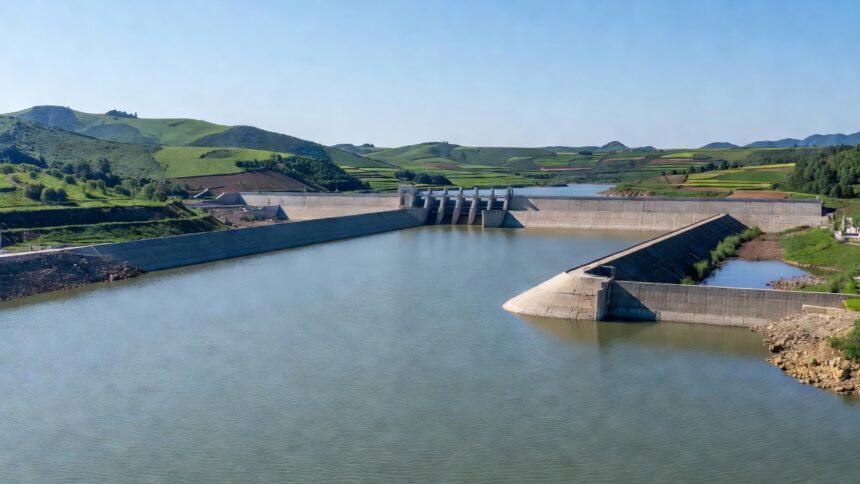


The Ministry of Water Resources said investment in the sector reached the milestone between January and June, supporting construction of major projects aimed at improving water supply and mitigating drought risks across multiple provinces. Data from the ministry placed the figure at more than 540 billion yuan, equivalent to the reported dollar total at current exchange rates. Officials noted that the spending covered new reservoirs, river embankment reinforcement and rural water supply upgrades, with several large-scale initiatives entering advanced stages during the period.
Previous annual totals published by the National Bureau of Statistics show China has steadily increased water conservancy outlays since the early 2010s, when yearly investment first surpassed 300 billion yuan. The first-half performance this year aligns with government targets for expanded infrastructure under the current five-year plan, which prioritises climate resilience in northern and western regions prone to water scarcity. Central government allocations formed a substantial share of the total, supplemented by local bonds and private participation in eligible projects.
According to a World Bank assessment of East Asian water management, sustained investment at this scale has helped China expand irrigated farmland by millions of hectares over the past decade while reducing flood-related economic losses in vulnerable basins. The ministry’s latest release indicated that more than 10,000 individual projects received funding in the six-month window, many of them tied to the ongoing South-to-North Water Diversion follow-on phases. Completion rates for ongoing works exceeded 80 percent in key areas, the ministry added.
Industry analysts following public expenditure trends observed that the accelerated pace reflects heightened focus on extreme weather preparedness following severe flooding events in recent summers. The Ministry of Water Resources reported that new contracts awarded during the period emphasised smart monitoring systems and ecological restoration alongside traditional engineering. Funding transparency requirements have been tightened to ensure efficient deployment across provincial budgets.
Separate figures from the National Development and Reform Commission placed total fixed-asset investment in water-related sectors at roughly 15 percent higher than the comparable period last year. Provincial governments in Henan, Shandong and Sichuan accounted for a large portion of disbursements, consistent with population density and agricultural water demand. The ministry stated that full-year spending is on track to surpass last year’s record once second-half figures are compiled.
International comparisons published by the Asian Development Bank indicate that China’s per-capita spending on water infrastructure now ranks among the highest in upper-middle-income economies, driven by both urban expansion and rural modernisation goals. The first-half results announced this month will inform upcoming budget reviews at the national level, where water security remains a strategic priority. Additional data on project outcomes is scheduled for release later in the quarter.