ع
ع



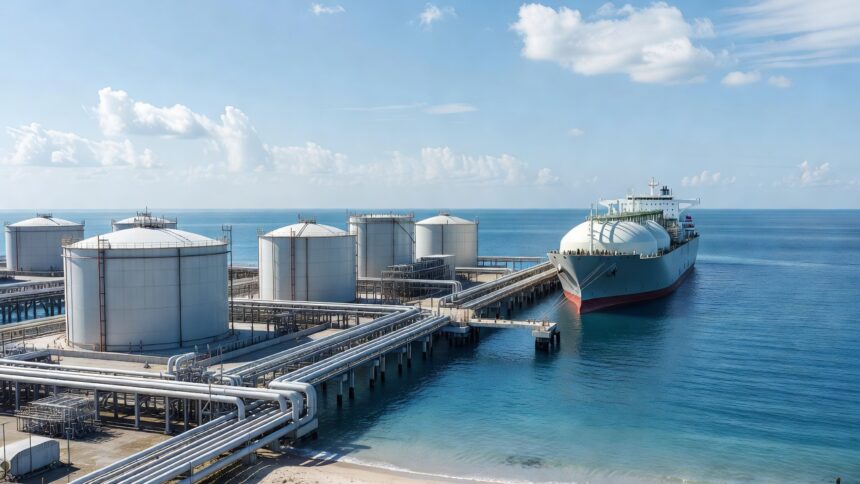


A Reuters dispatch from an industry gathering in Bangkok on Sept. 15 conveyed expectations from multiple executives that LNG consumption across China, India and Pakistan will rebound once the supply disruptions triggered by the US-Iran conflict subside and fresh cargoes reach the market. The hostilities have largely blocked LNG exports from Qatar and the United Arab Emirates through the Strait of Hormuz, a chokepoint that carried roughly one-fifth of global supplies prior to the outbreak. Shell estimates that the world has lost about 36 million tonnes of LNG from the Middle East this year, a figure shared by the company’s president for integrated gas, Cederic Cremers, which has propelled Asian spot prices to nearly $30 per million British thermal units from around $10 before the war.
According to the same Reuters coverage, GAIL India Chairman Sanjay Gupta described how the company first curtailed gas use but later restored supplies to between 90 and 95 per cent of prior levels after securing LNG from other international sources. “We are hoping that all this is very short term, and in the coming days, in mid-term and long-term, things will become normal,” Gupta told Reuters, while noting that power and industrial sectors are poised to ramp up gas consumption because it remains a cleaner fuel. Gupta further projected that 150 million to 200 million tonnes of new LNG production will come online over the next four to five years, a development he said should help moderate prices and support renewed demand.
Reuters also cited Pakistan LNG CEO Masood Nabi, who indicated that his market could witness higher consumption provided prices fall to affordable levels and incremental supplies materialize. Nabi pointed out that while solar additions have reduced power shortages in recent years, other industrial sectors and household needs continue to require natural gas. The executive suggested that the return of competitive pricing combined with new volumes would allow Pakistan to resume its earlier import trajectory without delay.
PetroChina International CEO Luo Yizhou told Reuters that demand tied to gas-fired power generation in China is likely to strengthen once LNG prices retreat to a normal band of $7 to $9 per million British thermal units. Luo highlighted sustained strong growth in overall electricity consumption even during the period of reduced LNG imports, indicating that the slowdown stems primarily from price sensitivity rather than weaker underlying energy needs. ExxonMobil Vice President for Global LNG Marketing Andrew Barry added on the sidelines of the event that the company holds an extremely bullish demand forecast through 2050 and anticipates substantial LNG growth in China supported by extensive east-coast import infrastructure already in place.
The International Gas Union’s World LNG Report 2026 recorded global LNG trade at a record 437 million tonnes in 2025, representing a 6.3 per cent increase from the prior year despite initial effects of the regional tensions. The same document noted that China’s imports declined by 8.9 million tonnes and India’s by 1.5 million tonnes that year, shifts partly linked to the supply shock and resulting price surge. Shell’s separate LNG Outlook 2026 forecasts that worldwide LNG demand will expand by around 65 per cent by 2050, reaching nearly 700 million tonnes annually, with new North American liquefaction capacity expected to help offset ongoing Middle East constraints.
Executives from ExxonMobil, GAIL and PetroChina who spoke to Reuters characterized the present softening in Asian LNG offtake as a short-term phenomenon that should reverse as global supply expands and prices stabilize. The International Gas Union report further indicated that 68.4 million tonnes per annum of new liquefaction capacity reached final investment decision in 2025, the highest annual total since 2019, setting the stage for additional volumes to enter the market by the end of the decade. Participants at the Bangkok conference emphasized that the combination of recovering supplies and moderating costs would allow the three countries to resume their roles as key drivers of LNG growth in Asia.