ع
ع
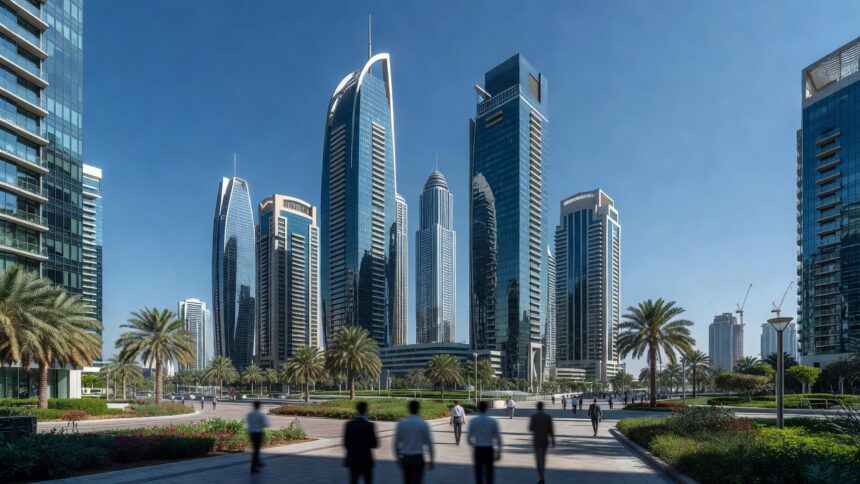


The UAE has recorded one of the strongest post-pandemic hiring recoveries globally with early signs of 2026 rebound, labour market assessments from Indeed and similar platforms indicate. Government figures and independent reports place the country’s employment growth ahead of most peers in the Gulf and many advanced economies since 2022, driven by diversification initiatives in technology, tourism and renewable energy. The recovery has added tens of thousands of positions, with expatriate inflows returning to pre-pandemic levels according to Ministry of Human Resources and Emiratisation statistics.
Indeed’s global hiring trends report from mid-2025 ranked the UAE among the top three markets for year-on-year posting increases, a finding corroborated by separate data from the World Economic Forum’s employment outlook. Construction and logistics sectors led the gains, each expanding by more than 15 percent in vacancy volumes compared with 2021 baselines, the platform’s analysis showed. Finance and healthcare followed closely, reflecting sustained investment in non-oil industries that now account for over 70 percent of GDP according to Central Bank of the UAE estimates.
Regional benchmarks compiled by the International Labour Organization place UAE hiring momentum ahead of Saudi Arabia and Qatar, where post-pandemic rebounds have averaged 8 percent lower in comparable metrics. The authority’s assessment found that private-sector job creation reached 92 percent of total additions last year, underscoring a shift from public-sector reliance that characterised earlier recovery phases. These trends align with broader GCC labour reforms that have streamlined work-permit processes and improved retention rates across skilled occupations.
Early indicators for 2026 suggest continued acceleration, with job postings in artificial intelligence and green technology rising 22 percent in the first half of 2026 relative to the same period last year, Indeed data shows. The platform attributed the uptick to national strategies such as Operation 300bn, which aims to expand the industrial base and requires substantial skilled labour inflows. Economists at PwC Middle East have projected that sustained 4 percent annual employment growth could add 150,000 net new positions by the end of next year if current policies remain in place.
The hiring surge has coincided with declining unemployment rates that the Ministry of Human Resources and Emiratisation placed at 2.4 percent for nationals in its latest quarterly release. Female workforce participation has also climbed to 58 percent according to the same figures, a record level that reflects targeted Emiratisation programmes in banking and education. Industry bodies including the Dubai Chamber of Commerce reported that 68 percent of surveyed firms plan to increase headcount in the coming 12 months, signalling confidence in the trajectory.
Supporting infrastructure developments have reinforced the labour market gains, with new free-zone expansions in Abu Dhabi and Sharjah creating dedicated clusters for fintech and logistics operators. The Abu Dhabi Global Market authority reported a 31 percent rise in company registrations in 2025, each typically generating multiple employment opportunities in professional services. These additions complement existing demand from major events and tourism projects that continue to draw international talent according to Dubai Tourism data.