ع
ع



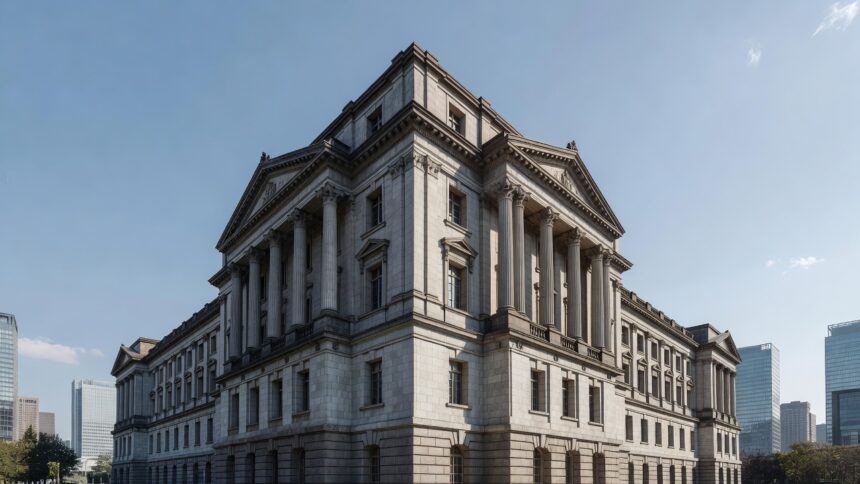


The Bank of Japan decided by an 8-1 vote to maintain its short-term policy rate at 1 percent after a two-day meeting that ended on July 31 according to a Reuters dispatch. Board member Hajime Takata cast the dissenting vote in the outcome that aligned with expectations from economists surveyed ahead of the announcement Bloomberg reported. The central bank had lifted the rate from 0.75 percent in June taking it to the highest level since 1995 multiple market updates noted.
A Xinhua News Agency summary indicated the BOJ revised its core inflation projection for fiscal 2026 down to 2.5 percent from an earlier estimate of 2.8 percent. The policy statement nevertheless reiterated readiness to push borrowing costs higher should inflation risks intensify Reuters added in its coverage. This stance follows a period in which the bank has gradually normalized settings after years of ultra-loose monetary policy.
Figures compiled by Investing.com confirm the rate has remained at 1 percent since the June adjustment with the July decision widely anticipated across 52 economists polled by Bloomberg. The meeting ran from July 30 to 31 per the central bank’s published schedule. Incoming data on wages consumption and external factors will inform any future moves according to the initial reporting.
The yen weakened in the immediate aftermath with the dollar advancing 0.81 percent to 160.76 yen Reuters data showed. That shift came after an intervention-led surge in the Japanese currency earlier in the week. Currency traders await Governor Ueda’s post-meeting remarks for further guidance on the policy path.
A Reuters poll conducted in June projected the rate could reach 1.25 percent by the end of 2026 reflecting expectations of measured tightening. The current pause allows assessment of how prior hikes have filtered through the economy Focus Economics observed in related coverage from earlier this year. Officials continue to monitor risks from global uncertainties that could influence domestic price dynamics.
Japan’s consumer inflation has held above the 2 percent target in recent quarters supporting the bank’s gradual exit from accommodative settings according to Bloomberg analysis. The decision forms part of a broader sequence that began with ending negative interest rates in 2024. Additional detail is expected in the quarterly outlook report released alongside the statement.