ع
ع



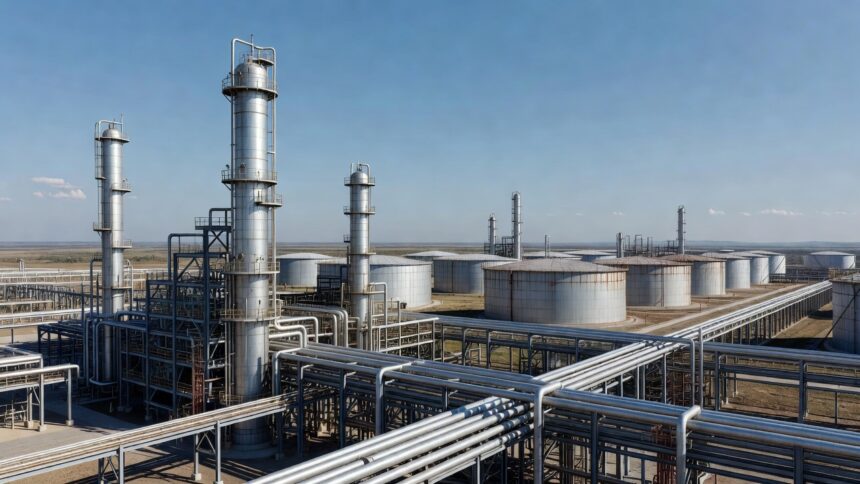


Oil refiners worldwide have benefited from a rare alignment of weak crude costs and strong product prices in the wake of the Strait of Hormuz reopening last month, pushing the benchmark US 3-2-1 crack spread to a record above $60 a barrel. Margins in Asia and Europe have similarly risen sharply since the US and Iran ceasefire agreement on June 17 ended a conflict that began Feb. 28 and had closed the vital shipping chokepoint. Reuters columnist Ron Bousso reported that both feedstock costs and fuel values are currently moving in refiners’ favour, creating the temporary windfall.
Kpler data showed total Middle East crude exports, including those bypassing Hormuz via Saudi and UAE ports, climbed to 12.35 million barrels per day in June from under 8 million bpd the previous month, with July volumes estimated at 12.5 million bpd. The figures remain below the pre-conflict average of around 18 million bpd, according to the tracking firm, as producers released stranded barrels from tankers and onshore storage accumulated during the blockade. A Kpler assessment found Gulf producers are now competing aggressively for market share through discounts, contributing to the current glut.
Brent crude futures have fallen to around $70 a barrel, roughly the level before the Iran conflict erupted and about $50 below the wartime peak, according to market reports. Physical market conditions are even more bearish, with Saudi Arabia and the UAE leading price competition that could persist for months as shut-in oilfields resume output. The International Energy Agency had earlier projected a significant demand downgrade for 2026 amid the disruptions, citing soaring fuel prices as a factor that is now easing with the supply recovery.
Fuel markets have stayed remarkably tight, supporting US gasoline refining margins that jumped more than 60 percent since early June to above $56 a barrel, approaching 2022 crisis highs, Bousso noted in the Reuters column. European diesel margins climbed above $50 a barrel as global inventories fell sharply, exacerbated by reduced Russian exports from Ukrainian drone strikes on refineries. US gasoline stocks hit their lowest level for this time of year in more than a decade, according to industry data, as the peak summer driving season coincides with the post-conflict readjustment.
The spread between West Texas Intermediate crude and the 3-2-1 crack has narrowed to its tightest level in around a decade outside the COVID-19 period, a relationship that historical patterns suggest is difficult to sustain, according to the analysis. Strong fuel demand typically drives higher crude demand as refiners compete for barrels, eventually pushing oil prices up. Bousso stated that something ultimately has to give, with either crude prices rising, fuel prices falling, or both.
Goldman Sachs had anticipated refined fuel margins would stay elevated through much of 2026 due to the Hormuz-related product tightness, with diesel cracks exceeding pre-war forecasts by a substantial margin in an earlier note. The mini-glut of crude is expected to fade over the coming months as stored volumes are absorbed, likely lifting prices and trimming refiners’ exceptional margins back toward normal ranges. Reuters data from prior years showed global refining profitability has fluctuated with similar geopolitical events, underscoring the transient nature of the current sweet spot.