ع
ع



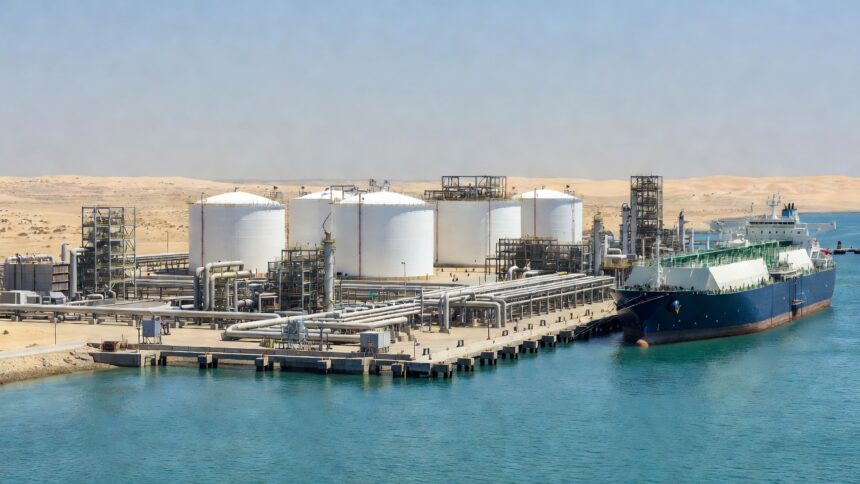


Pakistan Finance Minister Muhammad Aurangzeb voiced concerns over recent attacks on energy infrastructure across Saudi Arabia and other Gulf states in an interview with AFP conducted on the sidelines of the IMF-World Bank annual meetings in Bangkok. Aurangzeb said the country had so far absorbed the impact of surging global energy prices that followed the outbreak of conflict in February when the United States and Israel launched operations against Iran. The minister added that Pakistan had secured enough supplies to cover needs through November and was now focusing on preparations for the winter period when household consumption typically increases.
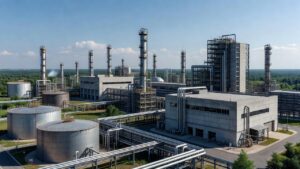
Aurangzeb stated that the government would avoid buying expensive spot LNG cargoes unless confronted with an absolute dire need given their higher cost compared with contracted shipments. He expressed particular alarm at the targeting of physical infrastructure which could extend the timeline for any return to normalcy even after hostilities ease. “What is now (the) worrying part of it is when the energy infrastructure starts getting hit,” Aurangzeb said. “I, to be very honest, I don’t know where that would go. But one thing is very clear: that if the infrastructure continues to get hit, the return to normalcy, even if things subside, will take longer.”
State Bank of Pakistan figures show the country’s trade deficit with Gulf nations widened to $3.45 billion in the first two months of the current fiscal year reflecting continued heavy dependence on energy imports from the region. Saudi Arabia and the United Arab Emirates together account for around 90 percent of Pakistan’s energy imports from Gulf suppliers according to an analysis of central bank data published by Dawn newspaper. Recent months have seen reduced imports from several Gulf states including a 78 percent drop in purchases from Qatar in July as broader regional disruptions took hold.
The minister’s remarks coincide with Houthi attacks that have hit Saudi energy facilities and airports in recent days amid a resurgence of Yemen’s civil war. Shipping volumes through the Strait of Hormuz have dropped to about 70 percent below pre-war levels since the conflict began according to assessments referenced across multiple reports on the crisis. Aurangzeb noted that Pakistan had managed to avoid fuel shortages at gas stations or related civil unrest thanks to an ongoing fiscal consolidation effort.
An International Monetary Fund World Economic Outlook report released during the meetings projected that a more protracted conflict could reduce global growth by 0.5 percentage point in 2027. Pakistan is currently executing a roughly $7 billion three-year programme with the International Monetary Fund under which the fund approved a $1.2 billion tranche this month. Aurangzeb has projected economic growth of more than 4 percent for the fiscal year despite the headwinds from higher oil prices.
Aurangzeb held multiple meetings with international financial institutions and development partners during the Bangkok gatherings that run from October 12 to 18. Pakistan maintains a range of economic and security ties with Gulf states including its role in the Mecca defense pact alongside Saudi Arabia and Türkiye according to reports on the minister’s engagements. The finance minister’s assessment draws on the exposure created by reliance on stable energy flows from the region.