ع
ع




The S&P Global UAE Purchasing Managers’ Index climbed to 52.6 in May from 52.1 in April, indicating a slight acceleration in non-oil business activity even as geopolitical uncertainty weighed on parts of the economy, according to figures released on June 3, 2026. Output growth hit a three-month high, with about 21 percent of surveyed firms reporting increased production linked to firmer domestic demand, project starts and government-backed programs. The reading nevertheless remained below the long-run average of 54.6, S&P Global data shows, as broader regional pressures continued to influence performance. IMF projections place UAE real GDP growth at 3.1 percent for 2026, with non-oil activity remaining the primary driver.
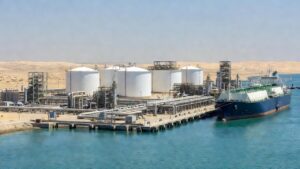
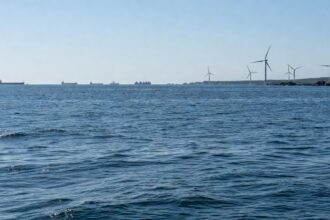
Supply chain disruptions tied to the closure of the Strait of Hormuz extended delivery times in May to the worst level since April 2020, S&P Global Market Intelligence reported. Input costs rose at the second-fastest pace in nearly two years, prompting companies to lower selling prices for the first time since June 2025 in the face of intense competition. New business inflows stayed subdued, with export orders contracting although at a more moderate pace than in April, the PMI survey found.
Employment growth slowed to its weakest since October 2025 as higher costs and greater automation limited hiring across non-oil businesses, according to the S&P Global assessment. The Middle East conflict that erupted on February 28 with strikes involving Israel, the US and Iran has disrupted sectors ranging from energy to tourism, The National noted in its coverage of the PMI results. Gulf economies are nevertheless forecast to expand at a slower pace this year, the International Monetary Fund has indicated.
Fitch Ratings retained the UAE’s long-term issuer default rating at AA- last month, citing resilient oil revenues and substantial fiscal buffers that help offset immediate conflict impacts, the agency stated. Abu Dhabi’s sovereign net foreign assets stood at an estimated 164 percent of GDP in 2025, among the highest ratios for Fitch-rated sovereigns. The UAE economy reached $517 billion in 2025, with the non-oil sector expanding 6.8 percent and now comprising more than three-quarters of total output, according to government figures referenced in the report.
In Dubai, the non-oil PMI advanced to 52.0 in May from 51.6 in April, signalling continued if modest improvement in private sector conditions, S&P Global reported. Businesses there attributed the tempered pace to elevated operating costs and softer client demand, with activity growth marking the slowest since June 2021. The longer-term business outlook nevertheless stayed optimistic, with firms regarding current challenges as temporary.
“The continued cut-off to maritime trade had a cascading effect through the UAE economy in May,” S&P Global Market Intelligence principal economist David Owen said. “Input deliveries were delayed to the greatest extent since the height of the Covid-19 pandemic in April 2020, with some firms reporting that disruptions to manufacturing production schedules fed through to other sectors.” Owen added that the longer-term outlook remained strong in May, suggesting businesses expect growth to rebound quickly once conditions stabilise. For context, Saudi Arabia’s equivalent non-oil PMI rose to 52.8 in May from 51.5, with output growth at a three-month high, Riyad Bank data showed.