ع
ع



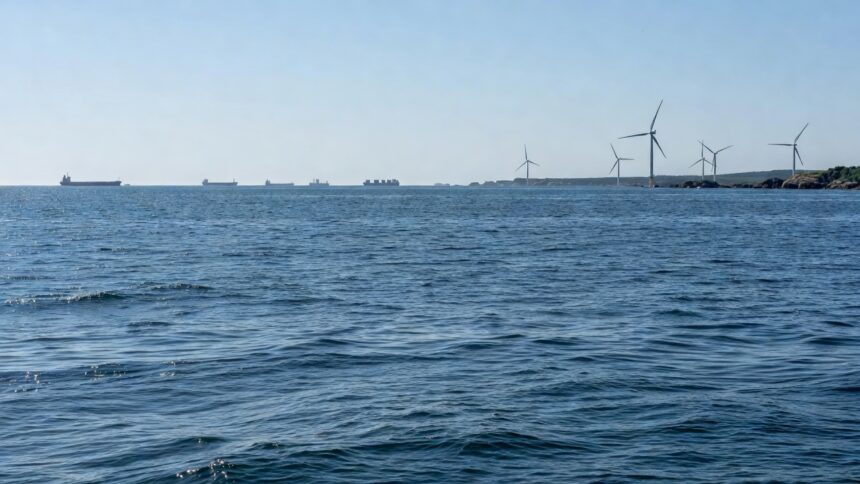


A report issued by First Abu Dhabi Bank this week values the global ocean economy at $2.6 trillion a year and ranks the sector as the world’s fifth largest economy. The assessment compiles data on shipping fisheries coastal tourism and offshore energy to illustrate the ocean’s outsized contribution to global output. FAB presented the findings as part of its push to direct capital toward blue economy projects that balance expansion with environmental safeguards.
According to the Organisation for Economic Co-operation and Development the ocean economy doubled from $1.3 trillion in 1995 to $2.6 trillion in 2020 while averaging 2.8 percent annual growth. OECD figures show the sector accounted for 3 to 4 percent of global gross value added and employed up to 133 million people in full time equivalents during the period. Projections from the body indicate the ocean economy could reach $5.1 trillion by 2050 if historical patterns hold across activity groups.
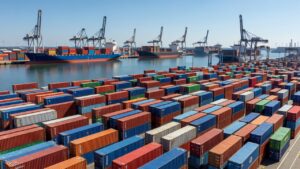
World Economic Forum data places the ocean economy as supporting nearly 350 million jobs worldwide and handling 90 percent of global trade volume through maritime routes. The forum’s analysis notes that coastal tourism represents half of international tourism while seafood supplies essential nutrition to more than 3 billion people. These functions make marine systems central to supply chains communications and food security on a global scale.
The FAB report highlighted prospects for sustainable investments in the blue economy as the bank targets AED100 billion equivalent to $27.2 billion in related financing from 2026 through 2035. This commitment integrates into the lender’s existing AED500 billion sustainable and transition finance framework and positions FAB as the first MENA institution to endorse the United Nations Sustainable Blue Economy Finance Principles. Bank statements indicate the effort will fund water infrastructure marine conservation and regenerative projects across the region and beyond.
World Bank records place its blue economy investments above $11.1 billion in 2025 while partner institutions have channeled additional billions into ocean linked initiatives since 2019. One development assessment estimates that $2.8 trillion directed at sustainable ocean systems could deliver $15.5 trillion in returns by 2050. Such calculations reflect growing recognition of the ocean’s role in climate regulation and long term economic resilience.
United Nations linked evaluations warn that plastic pollution generates yearly damages between $1.5 trillion and $2.5 trillion while overfishing endangers a seafood sector worth more than $400 billion. Coral reefs facing decline provide goods and services valued at $2.7 trillion and sustain over 500 million livelihoods the assessments state. FAB’s financing strategy aligns with international calls to increase commercial capital for ocean health and to reduce reliance on limited public and philanthropic funding.