ع
ع



The International Monetary Fund cautioned that an extended conflict involving Iran poses significant risks to Saudi Arabia’s medium-term economic outlook, potentially impairing shipping routes, damaging energy infrastructure and heightening financial sector uncertainty. Azim Sadikov, the fund’s mission chief to the kingdom, said following Article IV consultations held from April 28 to May 13 that beyond immediate disruptions the war could erode investor confidence and hinder diversification efforts. According to an IMF staff report released on June 3, 2026, the Saudi economy has nonetheless shown agility, supported by robust infrastructure and swift measures to redirect shipments amid curtailed traffic through the Strait of Hormuz. The fund noted that low government debt levels, large reserves and the sovereign wealth fund offer substantial buffers against these downside risks.
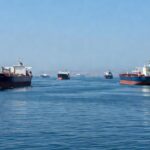
The conflict has disrupted trade flows and weighed on both oil and non-oil activity, Sadikov stated, even as the kingdom maintained export momentum through alternative pathways. Saudi authorities have maximised use of the East-West pipeline, which maintains a capacity of 7 million barrels per day, while Saudi Aramco has drawn on overseas inventories to offset reduced tanker traffic, Reuters reported. The IMF’s assessment found that these steps, combined with diversified infrastructure, have helped the economy absorb shocks from the effective closure of the Strait of Hormuz. Saudi Arabia’s non-oil sectors, which have been a focus of long-term reforms, nevertheless registered their first weakening since August 2020 earlier this year.
Saudi Arabia recorded 4.5 per cent GDP growth in 2025, driven by the unwinding of OPEC+ production cuts and strong domestic demand, according to IMF figures. The fund had projected 3.1 per cent expansion for 2026 in its April outlook, a 1.4 percentage point downgrade from earlier estimates, but subsequent mission findings indicate growth could settle around 2 per cent this year contingent on normalisation of maritime shipments. An escalation of hostilities remains the primary risk, Sadikov said, warning it could trigger output losses and undermine medium-term investment prospects across the kingdom. Regional forecasts from the IMF’s Middle East and Central Asia outlook similarly reflect slower growth across oil exporters facing spillover effects from the conflict.
Saudi Finance Ministry data placed the first-quarter 2026 budget deficit at $33.5 billion, a 20 per cent increase from the previous year, largely attributable to elevated military spending and conflict-related subsidies. Military expenditure rose 26 per cent year on year to 64.7 billion riyals in the first three months, continuing an upward trend that saw the 2025 defence budget reach $78 billion, according to official figures. The IMF mission advised that a modest reduction in the non-oil primary deficit remains appropriate for 2026, with spending reprioritisation serving as the initial response to any additional fiscal pressures from the conflict. Such measures would help preserve fiscal sustainability while accommodating necessary outlays.
The Public Investment Fund has recalibrated its five-year strategy to allocate roughly 80 per cent of its portfolio to domestic projects, scaling back international exposure from 30 per cent to 20 per cent, a shift the IMF characterised as a welcome development. This reorientation includes repositioning the $500 billion Neom project as a logistics and trade hub to strengthen supply-chain resilience, the fund noted. Under Vision 2030, Saudi authorities continue to advance economic diversification, though prolonged regional instability could slow progress on non-oil growth targets. The IMF assessment emphasised that sustained reforms and infrastructure investment will remain critical to mitigating external risks.
Oil prices have climbed amid the disruptions, with Brent crude futures trading near $96 per barrel and West Texas Intermediate around $93 per barrel in early June, according to market data. OPEC, the US Energy Information Administration and the International Energy Agency all lowered global oil demand forecasts for 2026 in response to the conflict’s impact on trade flows. Saudi production adjustments and export rerouting have helped stabilise revenues, yet the kingdom’s budget planning assumes continued fiscal prudence to manage volatility. The IMF mission concluded that Saudi Arabia is better positioned than many regional peers due to its alternative export infrastructure and policy flexibility.