ع
ع


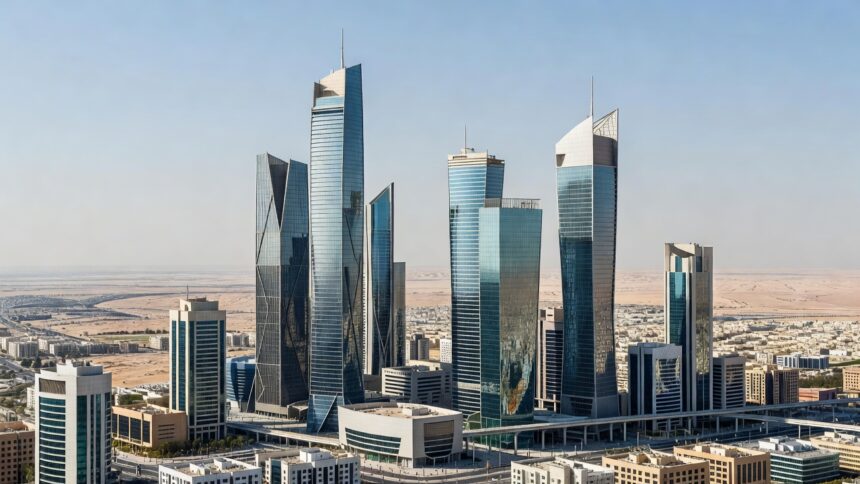


The Financial Times reported on May 20 2026 that Saudi Arabia halted new contracts for Western consultancies while government units paused disbursements to strategy advisers management consultants and law firms. One executive told the newspaper that payments had been frozen until July adding they are saying we are not paying you any time soon until July. Semafor separately reported that the kingdom ordered agencies to stop payments to these firms as it weighed the economic fallout from the conflict which included attacks on Saudi infrastructure. The move sought to tighten control over public spending amid the pressures.
A Semafor assessment found that Saudi Arabia recorded its biggest quarterly deficit since 2018 as the kingdom ramped up spending to offset the effects of the Iran war and a slowing economy. Debt also rose by the most in years as Riyadh tapped domestic lenders to help finance the gap according to the same report. The International Energy Agency characterised the 2026 Iran war as causing the largest supply disruption in the history of the global oil market with collective production from Saudi Arabia and other Gulf states dropping by a reported 6.7 million barrels per day by early March.
State spending has surged under Crown Prince Mohammed bin Salman whose Vision 2030 programme has driven megaprojects in infrastructure tourism and real estate. The official Vision 2030 document states that the Public Investment Fund aims to increase its assets from 600 billion Saudi riyals to more than 7 trillion as part of efforts to diversify away from oil which still accounts for about 40 percent of GDP. This expansion provided major opportunities for firms including Deloitte PwC EY KPMG Boston Consulting Group and McKinsey and Company which have established significant operations in the kingdom.
The Financial Times noted that the decision on consultancies had not been formally issued but that everyone in the sector knew and was operating on that basis. The kingdom has recently recalibrated some elements of Vision 2030 with Neom the 500 billion dollar futuristic city now positioned as a logistics hub to connect European and Gulf markets according to The National. Such adjustments reflect broader efforts to ensure projects align with available resources amid the war’s disruptions.
A ministry representative told reporters that the government has always looked to ensure all investments including consultancy services provide clear returns in line with the strategic objectives of Vision 2030. The programme launched in 2016 has transformed the consultancy landscape in Saudi Arabia turning it into a major revenue source for international firms over the past decade Semafor reported. A PwC analysis projected that artificial intelligence alone would contribute 135 billion dollars to the Saudi economy by 2030 highlighting continued focus on digital transformation even during the current fiscal review.
The United Nations Development Programme estimated that the war could reduce economic growth across Arab nations by between 120 billion and 194 billion dollars in GDP a figure that underscored the regional stakes for Saudi policymakers. Despite rising oil export revenues in some periods the combination of higher defence costs and supply chain strains has prompted the spending pause on external advisers. Saudi Arabia continues to invest in non-oil sectors but with greater scrutiny on returns as the assessment period extends into July.