ع
ع


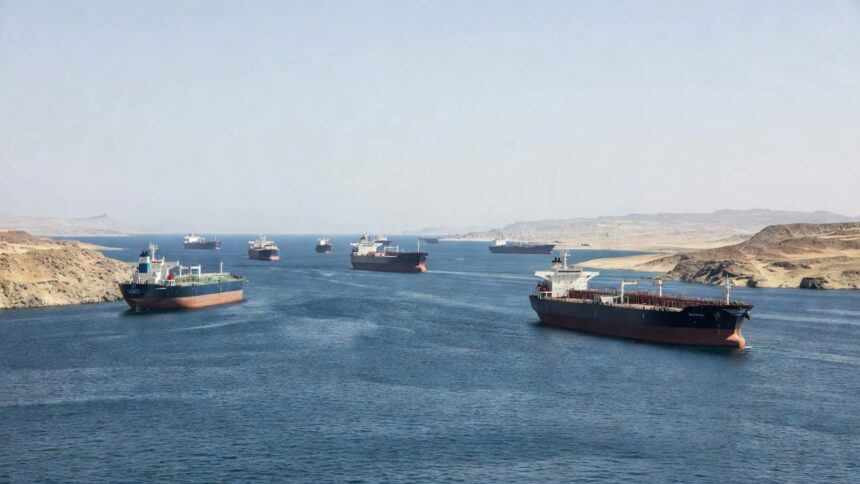


Moody’s Ratings changed its baseline outlook for MENA sovereigns to negative from stable in an assessment that highlighted how renewed conflict and associated trade disruptions will weigh on growth, fiscal and external balances as well as investor confidence over the next 12 to 18 months. The rating agency pointed to shipping restrictions through the Strait of Hormuz as a central pressure point for Gulf hydrocarbon exporters, with initial forecasts for accelerating expansion now replaced by projections of real GDP contraction in 2026. Effects will vary across the region, Moody’s Ratings noted, with some sovereigns better positioned than others to absorb the shocks through alternative export routes or fiscal reserves.
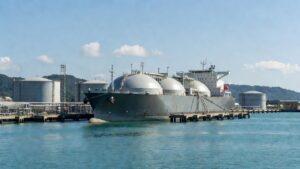
Nearly all hydrocarbon exporters in the Gulf have been forced to cut production, according to the Moody’s Ratings assessment, while Qatar’s LNG facilities sustained damage from Iranian strikes that compounded the disruption to energy flows. Trade routes are expected to remain impaired through the autumn with normalisation only likely in early 2027, the agency added in its review of regional credit conditions. Sovereigns such as Saudi Arabia and Abu Dhabi that can rely on pipeline alternatives face more limited exposure, Moody’s Ratings said, as higher crude prices help offset the volume reductions while Oman’s infrastructure east of the strait remains largely unconstrained.
The non-oil economy across the Gulf has come under broad pressure from the conflict, Moody’s Ratings reported, with aviation, hospitality, logistics, retail and real estate sectors all affected by reduced visitor numbers and postponed capital commitments. In the UAE, which carries an Aa2 stable rating, tourism arrivals have fallen sharply and the conflict has triggered a correction in the real estate market that followed a five-year boom, the assessment found. Dubai and other emirates as well as Qatar, also rated Aa2 stable, have registered similar setbacks in service sectors that had underpinned recent diversification drives.
Fiscal exposure remains highest for Bahrain, Qatar, Kuwait and Iraq because of their heavy reliance on hydrocarbon revenues and lack of alternative maritime export options, Moody’s Ratings determined. Very large sovereign buffers mean the impact of fiscal deterioration on credit metrics will be transitory for Qatar and Kuwait, allowing both to retain stable outlooks, the agency stated. Bahrain and Iraq operate with narrower cushions, although regional financial support such as the $5.4 billion currency swap extended by the UAE to Bahrain in April has provided some relief, according to the Moody’s Ratings review.
Net hydrocarbon importers outside the Gulf face indirect headwinds including higher energy import costs, currency pressures and greater volatility in foreign capital inflows, Moody’s Ratings observed. Egypt, Jordan, Morocco, Tunisia and Turkiye are among those likely to experience these secondary effects that could strain already stretched public finances and external accounts. The agency cautioned that prolonged disruptions would amplify these risks while a sustained reopening of shipping lanes and durable de-escalation of conflict could allow a return to stable outlooks for affected sovereigns.
The negative regional outlook forms part of Moody’s Ratings broader 2026 sovereign assessments that have similarly turned cautious on geopolitical and policy uncertainties in multiple markets. Earlier global sovereign outlooks from the agency had already flagged rising political risks as a drag on credit fundamentals, a theme reinforced by the MENA revision. Large fiscal and external buffers in several Gulf states continue to differentiate their credit profiles even as the overall environment deteriorates, Moody’s Ratings concluded in its latest update.