ع
ع



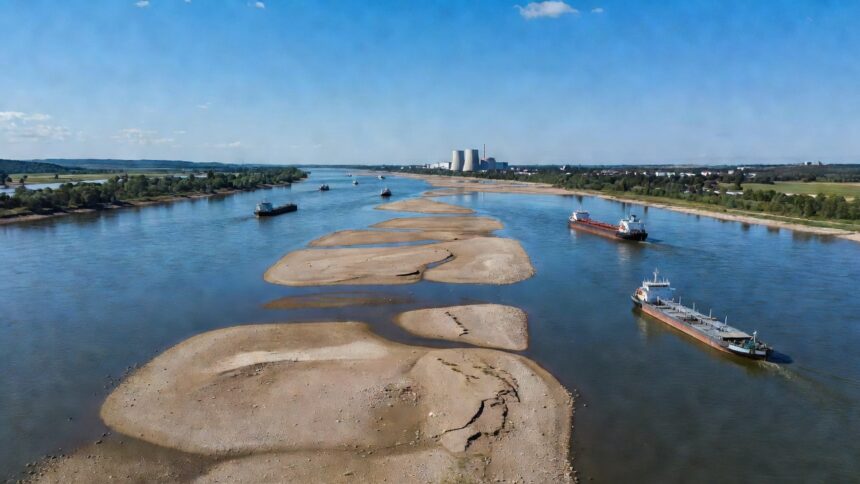


Record low water levels along the Danube have forced the shutdown of Hungary’s Paks nuclear power plant, which generates nearly half the country’s electricity, with operations possibly halted for weeks because the river can no longer supply adequate cooling water. Serbia’s largest hydropower facility at Djerdap 1 is operating at only 20 percent of capacity while cooling systems at the Kostolac coal-fired plants have also been disrupted, according to the state EPS power utility. Romania’s Nuclearelectrica had to close one reactor earlier this week with a second expected to follow, potentially cutting a fifth of the country’s electricity supply, while France has similarly curtailed nuclear output because of low river levels and higher temperatures.
Serbia and Hungary plan to cover the shortfalls through electricity imports at a time when spot market prices are elevated, a costly measure that adds to broader pressures on energy systems across the continent. Italian utility A2A expects hydropower production of 3.9 terawatt hours this year against a historical average of 4.1 terawatt hours as the Po River basin faces high water scarcity that also threatens rice crops and drinking water. Chief executive Renato Mazzoncini said some reservoirs are under pressure and the company practically needs to start doing a rain dance.
Transport of goods has also suffered with farmers along the Danube struggling to ship crops because low water levels have closed several river ports, leaving only those closer to the Black Sea operational, according to Cezar Gheorghe of Romanian grain market consultancy AGRIColumn. Cargo volumes between Rotterdam, Europe’s largest seaport, and the Rhine have fallen about 10 percent below normal since early July with chemical and oil tankers as well as dry bulk carriers most affected because they require greater depths, a port spokesperson told Reuters. The disruptions come against a backdrop in which the Central Commission for the Navigation of the Rhine reported 284.5 million tonnes of freight moved on the river in 2024, a modest recovery from 276.5 million tonnes the previous year that is now threatened by recurring low-water events.
Utility companies have reported direct financial hits from the drought conditions with Austrian group Verbund, which generated 85 percent of its electricity from hydropower last year, saying the situation reduced first-half earnings by about €370 million compared with normal hydrological years. French state-owned EDF forecast a 10 percent drop in full-year 2026 earnings before interest, tax, depreciation and amortisation because of low market prices and reduced output linked to heatwaves. These impacts illustrate how Europe’s shrinking rivers curb power output, transport and company earnings as the continent faces its most severe drought conditions in years.
Power analyst Alessandro Armenia at commodities firm Kpler said the situation is affecting the whole European landscape rather than isolated regions as seen before, adding that current dynamics mean either blackouts will occur or far greater investment is required. A study published in the journal Climate Resilience and Sustainability found that drought increased fossil power generation in Europe by 180 terawatt hours between 2017 and 2023 while producing 141 million tonnes of additional carbon dioxide emissions. The European Environment Agency estimates that water stress already affects 20 percent of EU territory and 30 percent of its population annually, figures set to worsen as climate change intensifies.
Europe has warmed at nearly twice the global average rate, a Copernicus Climate Change Service assessment found, contributing to more frequent and severe droughts that expose vulnerabilities in both energy and transport infrastructure. Inland waterway freight across the EU fell 3 percent in 2025 compared with 2024, according to Eurostat data, underscoring the sector’s sensitivity to hydrological changes. Officials continue to monitor river levels closely while utilities seek alternative supply arrangements to limit further disruptions to households and industry.