ع
ع



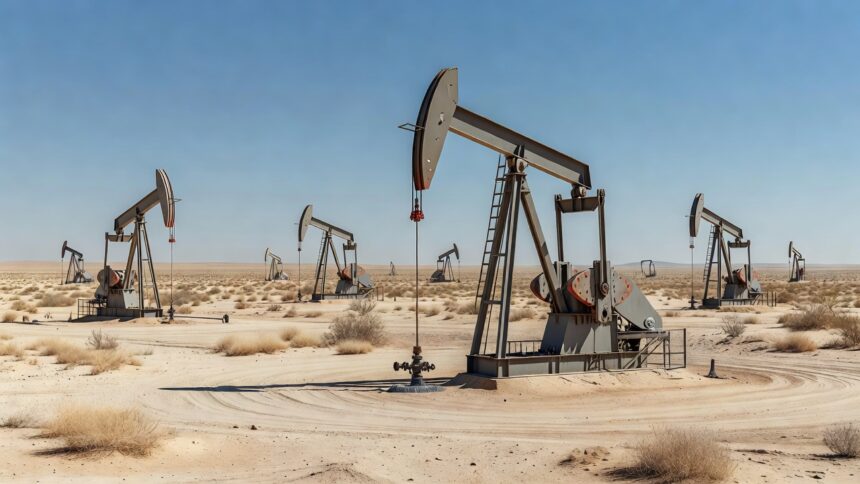


OPEC+ said in a joint statement that the seven participating countries decided to implement a production adjustment of 188 thousand barrels per day from September following their online meeting. The participants included Saudi Arabia, Russia, Iraq, Kuwait, Kazakhstan, Algeria and Oman, and the increase finalises the rollback of a second package of voluntary reductions that had formed part of nearly 6 million barrels per day in total cuts agreed when prices fell between late 2022 and 2023. The move had been widely expected by market analysts monitoring the group’s gradual restoration of output that began in 2025 after the United Arab Emirates left the alliance on May 1.
Rystad Energy analyst Jorge Leon said OPEC+ has finished unwinding its voluntary cuts with the latest adjustment. He added that the next challenge is managing the surplus that could emerge as export flows normalise once geopolitical tensions ease. Leon warned that the decision changes little in the near term because the Strait of Hormuz remains constrained, with the real market impact coming when normal export flows resume, according to the assessment reported by Gulf Times.
The analyst further stated that having completed the restoration campaign OPEC+ has little incentive to rush into further supply changes. Leon’s base case is a fourth-quarter pause while the group prepares for the 2027 quota negotiations. He noted that for now geopolitics is masking the scale of the supply increase that will become much clearer once export flows normalise.
OPEC data places the group’s recent crude oil production near 22 million barrels per day, though several members have struggled to reach their official targets because of declines in production capacity. The International Energy Agency’s March 2026 Oil Market Report showed that countries such as Iraq produced 4.34 million barrels per day in February against an implied target that left substantial spare capacity while others operated closer to their limits. Russia has seen its output hover around 9 million barrels per day against a 9.8 million barrel target after repeated Ukrainian drone attacks on energy infrastructure.
Iraq has expressed a desire to significantly boost production once conditions permit, yet the practical effect of higher quotas remains limited for now. The US Energy Information Administration’s Short-Term Energy Outlook projects global liquid fuels production to average 106.1 million barrels per day this year before climbing to 109.8 million barrels per day in 2027 as non-OPEC supplies expand. These forecasts coincide with the market adjustments now under way inside OPEC+.
OPEC’s July 2026 Monthly Oil Market Report forecasts global oil demand to grow by 1.0 million barrels per day in 2026 with nearly all of the increase coming from non-OECD countries. Analysts at DNB Carnegie indicated that the group faces potentially difficult talks over new production quotas starting next year after the September increase. Leon added that he does not think cohesion is at risk at this moment even though the UAE’s departure highlighted underlying weaknesses in the alliance.