ع
ع



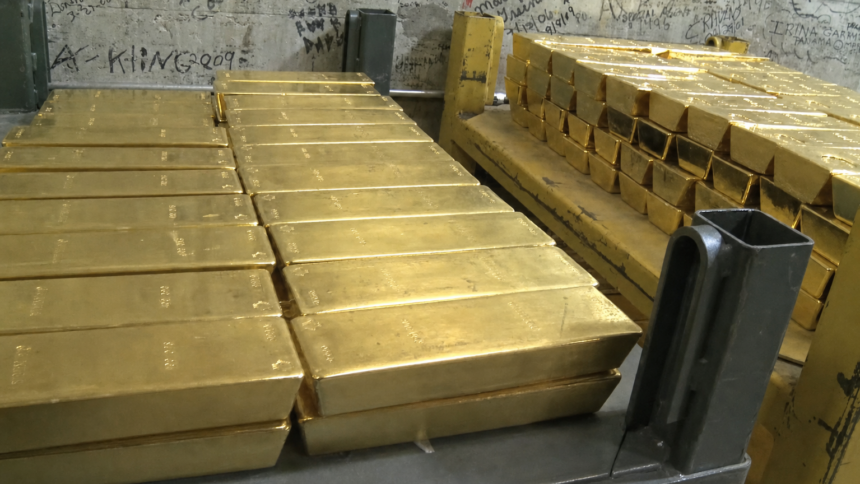


The Emirates News Agency reported on October 8 that gold prices had recovered from a two-month low reached the previous day as the US dollar eased from an 18-month peak, helping the metal regain some of its recent losses. Spot gold rose 0.5 percent to $4,132.66 per ounce by early Asian trading hours while US gold futures for December delivery increased 0.4 percent to $4,157.60. This came after bullion dropped 1.2 percent on Wednesday to touch its lowest level since August 5 when a stronger greenback and rising Treasury yields diminished its attractiveness to investors.
The dollar’s pullback made greenback-denominated gold less expensive for holders of other currencies, according to market analysts. “The short-term investment case for gold remains challenged. For now, it remains a seller’s market, and we would need to see a break above $4,275 to become more constructive on the near-term upside,” said Chris Weston, head of research at Pepperstone. Traders are pricing in an 18 percent chance of a Federal Reserve rate hike this month but an 80 percent probability for December, CME’s FedWatch tool indicated, with higher rates generally weighing on non-yielding bullion.
International Monetary Fund Managing Director Kristalina Georgieva warned that persistently high energy prices, record public debt and risks from the AI investment boom threaten global growth, a development that could influence safe-haven demand. Reuters reported that Fed policymakers appeared divided over the logic of rate hikes in their September meeting minutes, adding to the uncertainty that has characterised recent trading. Such factors have contributed to volatility across precious metals with silver, platinum and palladium all posting gains of more than 1 percent on the day.
Despite a sharp 8.5 percent monthly price decline in September to close at $4,176 per ounce, investor appetite for gold-backed exchange-traded funds proved resilient. World Gold Council figures show that global gold ETFs attracted a record $31 billion in the third quarter, lifting holdings by 211 tonnes to an all-time high of 4,256 tonnes even as assets under management fell 7 percent to $574 billion. The United Kingdom recorded its strongest quarterly inflow on record as European funds led the way ahead of North America for the first time since 2021.
Central banks have continued to accumulate gold throughout 2026, providing a steady source of demand independent of price swings. A World Gold Council assessment found net purchases totalled 39 tonnes in August with China extending its buying streak to a 23rd consecutive month while Uzbekistan and Poland also featured among leading buyers. This official sector activity has helped underpin the market as it navigates shifting macroeconomic signals from major economies.
Peter Grant, vice president and senior metals strategist at Zaner Metals, anticipated one further test to the downside potentially as low as $4,000 before a recovery into year-end that could push prices toward $4,400. Gold market volumes averaged $423 billion per day in September with over-the-counter trading edging 1 percent higher to $229 billion, World Gold Council data shows. Upcoming US economic indicators including nonfarm payrolls are expected to offer further direction on the interest rate outlook in coming days.