ع
ع



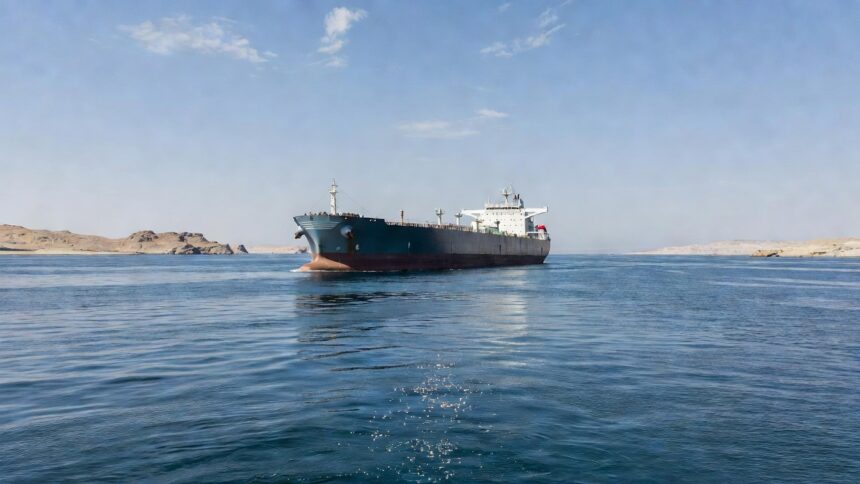


The Emirates News Agency reported that oil rises over 1% on Thursday as traders factored in potential supply disruptions from the Middle East. The agency highlighted how recent attacks on commercial shipping in the Strait of Hormuz had contributed to the price movement. Market data showed both major crude benchmarks posting solid gains for the session, reversing some of the previous week’s losses.
A video report from SABC News indicated that Brent crude was up around three per cent to $76 a barrel at one point, though it had pulled back from higher levels seen earlier in the conflict. This increase comes despite supply appearing largely intact, according to assessments by industry analysts. The developments have raised concerns about inflation risks as higher energy costs could feed through to broader economic indicators.
U.S. Energy Information Administration figures show that U.S. crude oil exports reached a new record in 2024, even as year-over-year growth slowed to 1 percent from higher rates in prior years. This robust export activity underscores the United States’ role as a key player in global oil markets, potentially helping to mitigate some of the supply fears stemming from the Iran situation. Observers suggest that such production strength provides a buffer against sharp price spikes.
A WAM article on energy trends found that global electricity demand is projected to keep growing robustly by 3.3 percent annually, with gas-fired generation displacing coal and oil in many regions. The steady rise in demand for electricity could have mixed effects on oil consumption depending on how quickly the transition to other fuels occurs. This longer-term outlook contrasts with the immediate volatility triggered by geopolitical events.
Oil prices have experienced significant swings in recent months, with several sessions showing gains of more than 3 percent following major news from the region, a CNBC analysis noted. An abrupt postponement of U.S.-Iran peace talks in June led to a 0.9 percent rise in Brent to $80.57 per barrel. Such patterns illustrate the market’s sensitivity to diplomatic and military developments.
Reuters has pointed out that while supply has remained stable so far, any broadening of the conflict could change that calculation quickly. The combination of tightened sanctions and ongoing hostilities has the potential to reduce Iranian oil flows, which some estimates place at around 1.5 million barrels per day before recent escalations. Traders will be closely watching forthcoming economic data for clues on how sustained higher prices might affect global growth.