ع




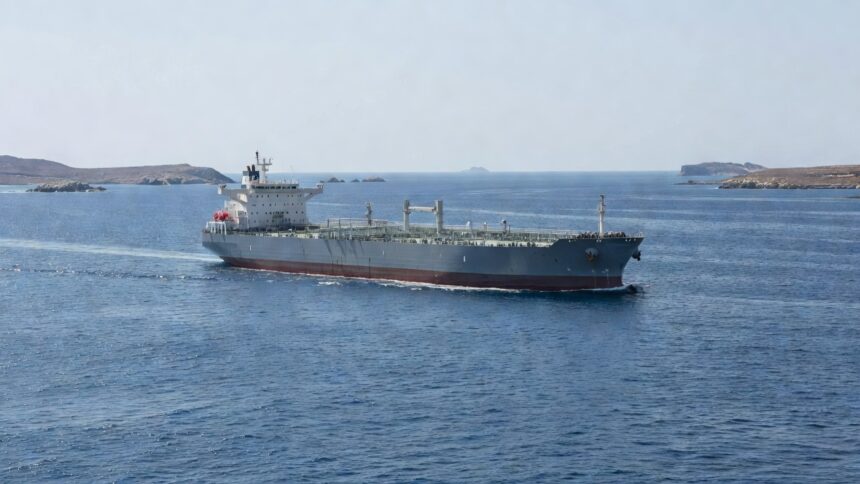


The Emirates News Agency reported that oil prices rose Monday with Brent crude exceeding $104 a barrel for the first time since earlier in the year as fresh escalations in the US-Iran conflict sent tankers under attack and reduced flows through the Strait of Hormuz. West Texas Intermediate crude gained more than 5 percent in the session to approach the triple-digit mark itself. Market participants cited in the WAM dispatch pointed to a series of strikes on shipping and energy infrastructure that have curtailed roughly one-fifth of normal Gulf export volumes.
Saudi Arabia told OPEC its production fell to 6.24 million barrels a day in August, the lowest monthly level since 1990, according to Bloomberg figures referenced in regional coverage of the cartel meeting. The kingdom has diverted some barrels via pipeline to the Red Sea port of Yanbu to bypass the strait, yet Houthi attacks on that route have further constrained exports. OPEC+ members decided to hold October output quotas unchanged at their latest virtual meeting, a move that leaves the market without additional supply relief in the near term.
The International Energy Agency assessment issued in August projected global oil supply to contract by 4.3 million barrels a day on average in 2026 while demand declines by a smaller 1.6 million barrels a day. The agency noted that cumulative supply losses from the Gulf already exceed one billion barrels since the conflict began in February. Refinery throughputs have fallen nearly 5 million barrels a day below year-earlier levels, contributing to tighter product balances across Asia and Europe.
Analysts tracking the physical market told Reuters that premiums for prompt delivery have widened dramatically, with the Brent prompt-month spread reaching more than $5 a barrel. This structure reflects buyer willingness to pay for immediate barrels amid uncertainty over when Hormuz traffic might resume. Banks including Morgan Stanley have lifted their fourth-quarter Brent forecasts toward $100, citing persistent physical tightness even as higher prices curb some consumption.
Prices have climbed roughly 30 percent since early August lows near $75 a barrel, a surge that has revived inflation concerns ahead of key central bank decisions. The Federal Reserve and European Central Bank have both flagged energy costs as a risk factor in recent statements, according to economic assessments published by the agencies. Consumer fuel expenses in major importing nations have risen in tandem, prompting some governments to consider targeted subsidies or release of strategic reserves.
OPEC separately lowered its forecast for global oil demand growth in 2026 to 1.17 million barrels a day from a previous estimate of 1.38 million barrels a day, the cartel said in its monthly report. The revision reflects slower economic activity in several large consuming countries where higher energy prices are weighing on household budgets and industrial output. Despite the demand downgrade, the cartel maintained that market balances will remain tight through the remainder of the year given the scale of unplanned supply losses.