ع
ع



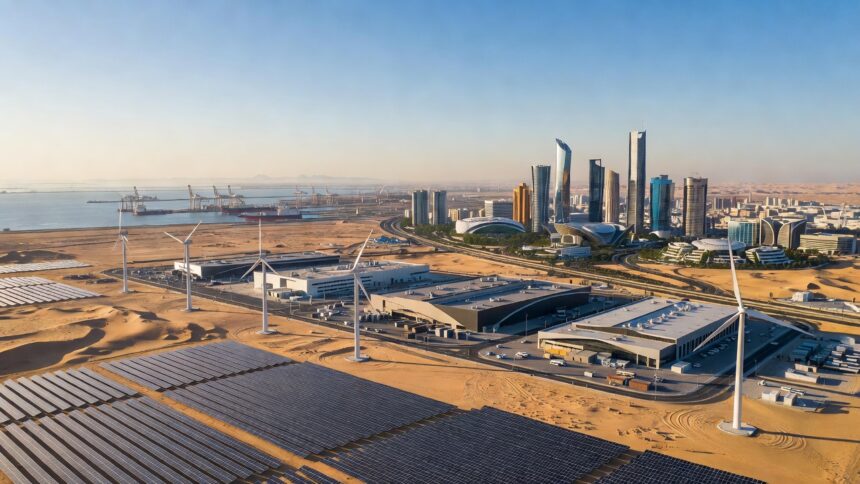


The Public Investment Fund board, chaired by Crown Prince Mohammed bin Salman bin Abdulaziz Al Saud, approved the 2026-2030 strategy on April 15, 2026, marking a shift from rapid growth to sustained value creation with greater emphasis on efficiency, governance and private sector partnerships. According to the fund, the plan continues its long-term mandate to drive Saudi Arabia’s economic transformation, unlock strategic assets and improve citizens’ quality of life. PIF Governor Yasir Al-Rumayyan said in the announcement that the strategy will deliver competitive domestic ecosystems while integrating investments to attract global capital.[[1]](https://economymiddleeast.com/news/saudi-crown-prince-approves-pif-2026-2030-strategy/)
Al-Rumayyan added that in less than a decade the fund has launched unprecedented projects including giga-projects and major real estate developments in addition to unique investments in strategic sectors such as artificial intelligence, gaming and esports, and renewable energy. The governor noted that PIF also grew assets under management six-fold and attracted global partners and capital to take part in Saudi Arabia’s transformation. A Reuters report earlier in 2026 indicated the new strategy would emphasize industry, artificial intelligence and tourism while reconfiguring certain mega-projects.[[2]](https://www.reuters.com/world/middle-east/saudi-pif-unveil-new-20262030-strategy-this-week-sources-say-2026-02-09/)
Under the new framework the Vision Portfolio will focus on six ecosystems including tourism travel and entertainment, urban development and livability, advanced manufacturing and innovation, industrials and logistics, clean energy water and renewables infrastructure, and NEOM to create synergies and support national priorities. The Strategic Portfolio will manage key assets for financial returns and economic impact while helping portfolio companies attract capital and evolve into global champions. The Financial Portfolio meanwhile will seek sustainable returns to strengthen PIF’s position and build a diversified resilient portfolio that generates national wealth for future generations.[[3]](https://spa.gov.sa/en/N2562977)
The strategy builds on achievements under the previous plan with PIF data showing assets under management rising from $150 billion in 2015 to more than $900 billion while delivering an annualized total shareholder return of over 7 percent since 2017. The fund contributed more than $243 billion to real non-oil GDP from 2021 to 2024 equivalent to around 10 percent of Saudi Arabia’s total non-oil GDP in 2024 and spent more than $157 billion with the local private sector in the same period. A June 2026 Reuters assessment placed preliminary assets under management at $910 billion by the end of 2025.[[4]](https://www.reuters.com/world/middle-east/saudi-pif-assets-reach-910-billion-2025-below-vision-2030-target-2026-06-09/)
PIF has established subsidiary company offices in North America, Europe and Asia to deepen international ties according to its reporting while maintaining strong credit ratings with Moody’s at Aa3 stable and Fitch at A+ stable. Yasir Al-Rumayyan stated that the 2026-2030 strategy is a natural next step in PIF’s growth journey that offers partners more opportunities to invest in high-quality assets and ecosystems alongside the fund. The governor added that in the next five years PIF will continue to build on its achievements and strengthen its global leadership to deliver success for the fund and Saudi Arabia.[[1]](https://economymiddleeast.com/news/saudi-crown-prince-approves-pif-2026-2030-strategy/)
Later updates from PIF’s own platform confirmed the $900 billion-plus asset base while reinforcing the fund’s 10 percent share of the kingdom’s non-oil GDP in 2024. The 2026-2030 plan maintains PIF’s agility to invest in both local and international markets responding to opportunities that benefit the domestic economy and the shifting global landscape. This direction aligns with broader Vision 2030 efforts that have seen non-oil activity projected to contribute about 57 percent to total GDP in 2025 according to S&P Global Ratings analysis.