ع
ع



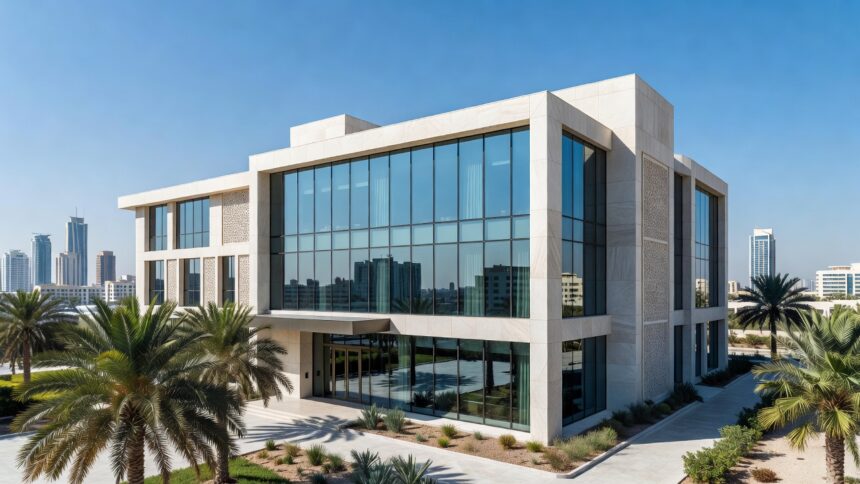


In an exclusive interview with Arabian Business in January, Rove Hotels chief operating officer Paul Bridger identified Saudi Arabia, Oman and Egypt as priority markets for the Dubai-based lifestyle hospitality group. The company aims to at least double its current portfolio within five years as it capitalises on rising demand for mid-scale accommodations across the region. Bridger highlighted Saudi Arabia as a market where the brand could develop multiple properties, while Oman offered strong potential for its product and Egypt benefited from significant tourism growth.
The nearly decade-old brand has established a network of properties in key Dubai locations and reported double-digit growth last year amid the emirate’s expanding tourism market. Industry assessments place the group’s current portfolio at more than 8,000 keys open or under development across the region. Success in its home market has served as both a testing ground for innovation, including the use of artificial intelligence and social media, and a blueprint for replication elsewhere, Bridger explained in the Arabian Business interview.
A Mabrian report on the Middle East hospitality landscape identified mid-range expansion as a central opportunity for destinations including the UAE, Saudi Arabia and Egypt to broaden their appeal. World Travel and Tourism Council data showed the Middle East travel and tourism sector expanded by 5.3 percent in 2025, outpacing the global average of 4.1 percent. Saudi Arabia’s travel and tourism GDP grew 7.4 percent that year to reach $178 billion, while Egypt recorded a 20.5 percent rise in tourist arrivals and Oman posted 5.5 percent growth in its travel and tourism economy.
Rove’s model eliminates traditional high-end services such as valet parking and bellboys while emphasising quality, cleanliness and integration of local neighbourhood character into property designs. Bridger told Arabian Business that the brand attracts corporate executives, including CEOs, who prioritise functionality during business travel. “We have a lot of CEOs stay with us. They’re like, what do I need? I’m out all day working, I’m in meetings. I need good service, clean room, nice product, decent breakfast,” he said.
The chief operating officer noted that travellers increasingly seek properties reflecting their destination rather than standardised experiences. “People want to be attached to brands and they want something that represents them a bit more. People now travel more. When they go to a place, they want to have a reflection of that place. They don’t want necessarily a beige wall,” Bridger stated in the interview. This trend has propelled lifestyle hospitality forward in markets such as Dubai and Riyadh, where mid-scale options challenge traditional luxury offerings.
Expansion plans also align with growing startup ecosystems and digital nomad activity, as Rove properties incorporate coworking spaces suited to mobile professionals. Bridger observed a surge in such spaces and startup activity during visits to Riyadh. The company has evaluated hundreds of potential sites to secure prime locations that match the standards set by its Dubai portfolio.
UAE-based brands like Rove are increasingly exporting their models to new markets, a development Bridger linked to the maturation of Dubai and the UAE as business hubs. Saudis already form a large portion of guests at certain Rove properties in Dubai, providing existing brand familiarity that should ease entry into the kingdom. Bridger outlined a vision for Riyadh that mirrors the coverage and quality achieved in Dubai as the group sustains momentum in its home market.