ع
ع
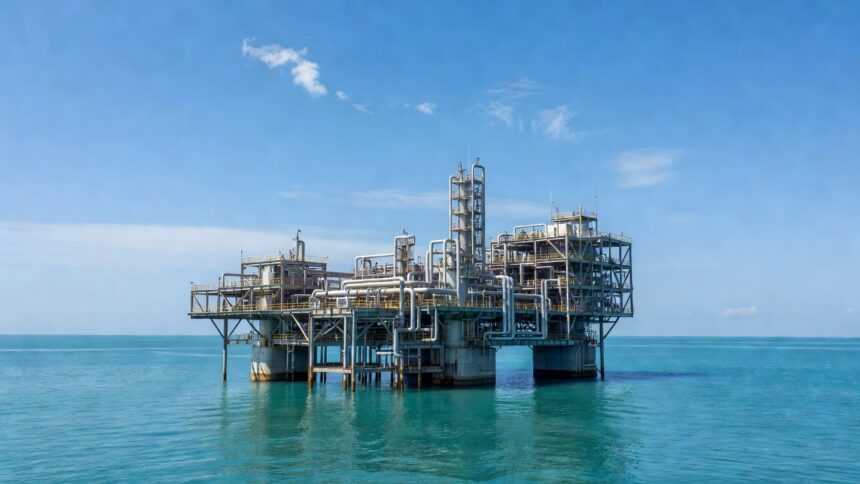


A report by Gulf Intelligence released on June 18, 2026, examined how the Abu Dhabi National Oil Company assembled an integrated financial model that sets it apart from conventional national oil companies through the use of public listings, infrastructure partnerships, strategic investments, public debt and structured finance. The consultancy found that this framework has reshaped asset financing and ownership approaches across the region while improving investor access and supporting capital market growth. ADNOC has applied the model to unlock funding channels that sustain long-term development without full asset sales. The approach connects strategic energy assets to equity markets, institutional investors and long-term infrastructure capital.
According to the Gulf Intelligence assessment, ADNOC listed six group companies on the Abu Dhabi Securities Exchange, generating a diversified portfolio of energy, infrastructure and industrial assets that deliver transparent cash flows and regular dividends. These listed entities account for up to 20 percent of the exchange’s total market capitalization and 40 percent of annual dividend distributions among listed firms. The companies have posted average total shareholder returns of more than 100 percent since 2017. Annual dividend commitments exceed $7 billion, with cumulative distributions forecast to total $43 billion between 2025 and 2030.
The model incorporates major infrastructure transactions that brought institutional capital into core assets, beginning with the 2019 oil pipeline partnership involving BlackRock and KKR that raised roughly $4 billion according to contemporaneous reports from Reuters. A 2020 gas pipeline agreement valued the assets at $20.7 billion and saw a consortium including Global Infrastructure Partners, GIC and Snam take a 49 percent stake, producing more than $10 billion in upfront proceeds for ADNOC while the company retained operational control, ADNOC said in a statement at the time. Monetization of real estate holdings added another $2.7 billion in immediate funding. These steps introduced stable, long-duration capital into the energy midstream sector.
Structured financing has grown more prominent under the framework, culminating in a transaction of up to $11 billion in non-recourse funding for the Hail and Ghasha gas fields that ADNOC announced in December 2025. The deal, arranged with partners Eni and PTTEP plus 20 global and regional banks, monetizes future gas production to deliver upfront liquidity years before first output expected before the end of the decade, Reuters reported. The development targets 1.8 billion standard cubic feet per day of gas output and incorporates carbon capture of 1.5 million tonnes annually. ADNOC described the structure as innovative in unlocking value from the offshore concession.
The financial infrastructure will support ADNOC’s $150 billion capital investment program spanning 2026 to 2030, which aims to maintain operations, expand capacity and address worldwide energy needs, according to a November 2025 Reuters dispatch. The company’s international investment division XRG has lifted its enterprise value to $151 billion from approximately $80 billion since its launch in late 2024, the company stated. Gulf Intelligence noted that the model enables ADNOC to retain sovereign ownership of core assets while applying public-market governance, disclosure and financial standards. This hybrid method has been adopted by other regional energy players seeking to strengthen liquidity without traditional privatization.
Unlike standard privatization routes that transfer control, ADNOC’s listed subsidiaries operate under majority sovereign ownership yet follow rigorous public company disciplines, the report found. The entities have grown into central components of the Abu Dhabi Securities Exchange by providing investors with exposure to diversified energy-backed cash flows. Gulf Intelligence said the framework has broadened the investor base, enhanced market liquidity and delivered consistent dividend income. ADNOC continues to evolve the model to back both domestic projects and international growth through its XRG unit in gas, chemicals and low-carbon energy.