ع
ع





The African Development Bank’s latest economic outlook for Central Africa forecasts a gradual acceleration in regional expansion over the next three years. Growth is expected to increase from 3.6 percent in 2025 to 3.8 percent in 2026 before reaching 4.1 percent in 2027. Sustained high commodity prices, particularly for oil, along with mining output and infrastructure spending will support the pickup according to the AfDB assessment. The projections were highlighted in the bank’s 2026 report which underscores the region’s resilience amid global challenges.
AfDB figures show Central Africa as one of the few regions on the continent set to record higher growth in 2026 while others face moderation. The assessment found that continent-wide expansion would ease to 4.2 percent in 2026 from 4.4 percent in 2025 before rebounding. In its report the AfDB noted that tighter financing conditions linked to the Middle East conflict have added pressure across many economies. Central Africa’s performance stands in contrast to the slowdown projected for East Africa from 6.6 percent to 5.9 percent over the same period.
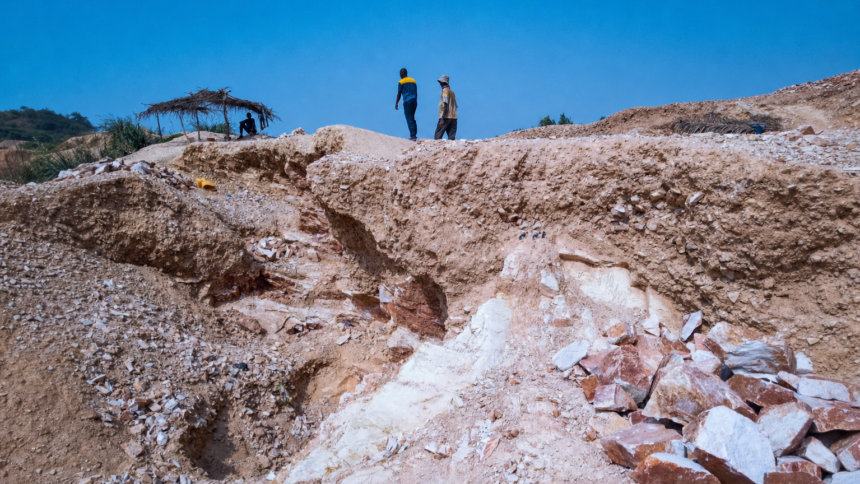
The Democratic Republic of Congo is anticipated to remain a key driver with growth around 5.2 percent in 2026 according to aligned World Bank data. Mining investments and public infrastructure projects have propelled activity in the DRC as well as in other mineral-rich areas. Countries such as Cameroon and Chad are expected to register moderate advances while oil producers including Equatorial Guinea face continued contractions. These differences underline the mixed outlook within the region that the AfDB report details.
Several macroeconomic vulnerabilities continue to weigh on Central Africa’s prospects the bank’s evaluation indicated. The Middle East conflict has contributed to higher borrowing costs and disrupted supply chains across vulnerable states. Dependence on fuel imports and exposure to agricultural shocks from external factors remain significant risks according to the AfDB. Inflation is forecast to decline from 4.5 percent in 2026 to 3.8 percent in 2027 as production stabilizes.
The African Development Bank has outlined short-term priorities to strengthen economic management in the region. Partnerships with the Dangote refinery should be reinforced to ensure steady fuel supplies while tax reforms need acceleration to boost revenues. Crisis management mechanisms must be integrated into state budgets with a focus on concessional financing and improved private sector credit access the report recommended. These steps aim to reduce immediate exposure to global volatility.
In the medium to long term the AfDB advocates for strategic infrastructure to lessen import reliance. Establishment of a joint regional refinery would help cut dependence on external fuel sources while a dedicated fertilizer production facility could protect the agricultural sector from price swings. Such investments would promote greater self-sufficiency and support broader development goals across member states. The bank’s analysis stresses that these measures are essential given the region’s historical sensitivity to commodity cycles.
Central Africa’s growth trajectory forms part of wider African efforts to enhance domestic resource mobilization and financial integration the AfDB has consistently reported. By advancing these reforms the region can build on gains in extractive industries and public works to foster more inclusive outcomes. The outlook aligns with calls for investment levels that can sustain higher growth rates necessary for job creation and poverty reduction across the continent.