ع
ع



Saudi Finance Minister Mohammed Al Jadaan cautioned investors and policymakers that the Gulf region will require weeks if not months for economic recovery even if fighting stops completely as supply chain dislocations higher insurance premiums and rerouted shipping continue to weigh on energy markets and trade flows. Al Jadaan delivered the assessment during an International Monetary Fund seminar on the sidelines of the IMF and World Bank Spring Meetings where he urged a recalibration of expectations for any swift rebound. The minister stated “Anyone who is counting on a quick recovery even if there is a total end to hostilities will need to recalculate that” according to his remarks at the event.
An International Monetary Fund assessment published in April 2026 projected real GDP growth across the Middle East and North Africa at 1.1 percent for the year a sharp 2.8 percentage point reduction from pre-conflict estimates with improvement anticipated only in 2027. The IMF’s World Economic Outlook indicated that the conflict had contributed to weakened logistics chains elevated maritime insurance costs and extended shipping distances as primary drags on regional output. IMF officials described the disruption as broad-based and still unfolding in briefing materials released around the seminar.
Reuters reporting on the latest IMF estimates showed that Gulf Cooperation Council growth is now expected to slow to 2 percent in 2026 before rebounding to 4.8 percent the following year while Saudi Arabia’s forecast stands at 3.1 percent following a downward revision. The data reflects impacts from air traffic contractions shipping diversions and widening sovereign spreads that peaked in March before easing after ceasefires took hold. According to the IMF such effects have tested economic resilience across emerging markets with particular pressure on commodity importers already facing vulnerabilities.
Al Jadaan told the IMF gathering that Gulf Cooperation Council governments remain committed to maintaining their reform agendas and investment programs despite the wider regional challenges. The minister noted that Qatar the United Arab Emirates and Saudi Arabia have continued to advance and sign new investment agreements throughout the period of uncertainty. Saudi Arabia itself has sustained domestic operational continuity with schools businesses and consumer activity remaining active and in some cases expanding he added.
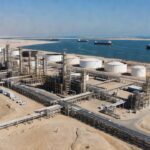
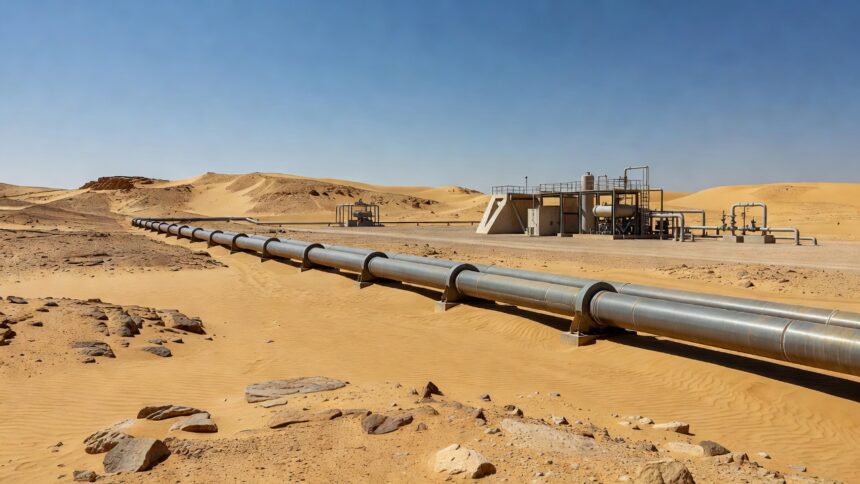
The minister highlighted how Saudi Arabia has maximised longstanding infrastructure such as the East-West pipeline which according to his remarks can support exports of 5 million barrels per day and shifted to full capacity after operating at around 20 percent before February 28 2026. This pivot has helped preserve export flexibility as routing requirements evolved amid the conflict Al Jadaan explained. Saudi investments spanning four decades in the pipeline system have enabled the kingdom to adapt without interrupting overall production flows.
A separate Oxford Economics analysis released after more than 100 days of regional conflict projected that full Gulf economic recovery could take one to two years after a peace agreement is reached with certain sectors expected to rebound ahead of others. Historical context from Kuwait’s post-Gulf War recovery program in the 1990s showed significant per capita GDP increases both in the short term averaging more than 11 000 dollars and longer term exceeding 27 000 dollars according to a 2025 academic study that applied synthetic difference-in-differences methods. The IMF has separately cautioned that risks remain tilted to the downside should the Middle East situation extend beyond current assumptions of limited duration.