ع
ع



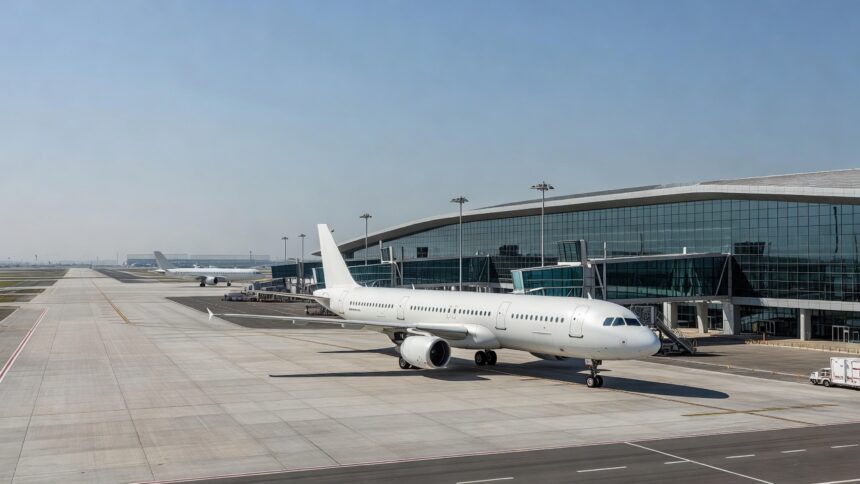


The US Department of the Treasury sanctioned all 27 remaining active Iranian airlines on September 8 as part of an effort to isolate the country’s aviation industry from global financial systems. Treasury Secretary Scott Bessent warned that foreign companies providing fuel, landing rights or other services to these carriers risked being cut off from the dollar system. A spokesman for Iran’s Civil Aviation Organization told Tasnim news agency that airports in Baghdad and Muscat would no longer accept Iranian flights from midnight on September 23, prompting rerouting considerations to Najaf in Iraq.
Travel agents in Tehran reported to AFP that flights to Qatar, Georgia and Azerbaijan faced similar suspensions even as some routes to China continued without interruption. Mahan Air, one of the nation’s largest carriers, completed a flight from Tehran to Guangzhou on the day the measures took effect, according to flight tracking data. The selective operation of certain long-haul services underscores varying levels of compliance among international partners, with China voicing opposition to the US action.
The designations under Executive Order 13902 build upon earlier penalties targeting Mahan Air and other entities accused of transporting weapons and personnel on behalf of the Iranian regime. Bessent stated in the Treasury announcement that the aviation sector had been designated for sanctions on August 24 as part of a broader economic pressure campaign. Iranian authorities have maintained that many flights remain operational despite the restrictions, though industry observers note significant capacity reductions.
Turkish Airlines along with low-cost carriers Pegasus and AJet eliminated services to Iran effective September 21, listing no resumed flights until March 2027 or removing them entirely from booking systems, a review by Middle East Eye found. These decisions by non-Iranian operators reflect the reach of secondary sanctions that threaten any entity engaging with the designated airlines. Data from aviation analytics firm Cirium shows Iran’s international seat capacity has already fallen by nearly 70 percent compared with the previous year.
Iran’s civil aviation sector has operated under longstanding US restrictions that limit access to spare parts and modern aircraft, a situation compounded by recent regional conflicts that damaged roughly 100 airliners according to Iranian officials. The latest measures arrive seven months into heightened economic actions that include a naval blockade in the Strait of Hormuz. Sepehran Airlines and Iran Air have also adjusted schedules to Azerbaijan and other points, airport notices indicate.
The cancellations are expected to strain passenger travel and commercial links at a time when many Iranians already face difficulties crossing borders. A Tehran-based travel agent told AFP that ticket sales had been paused due to uncertainty over further disruptions. The US Treasury has framed the action as a direct response to the Iranian regime’s use of commercial aviation for military purposes.