ع
ع



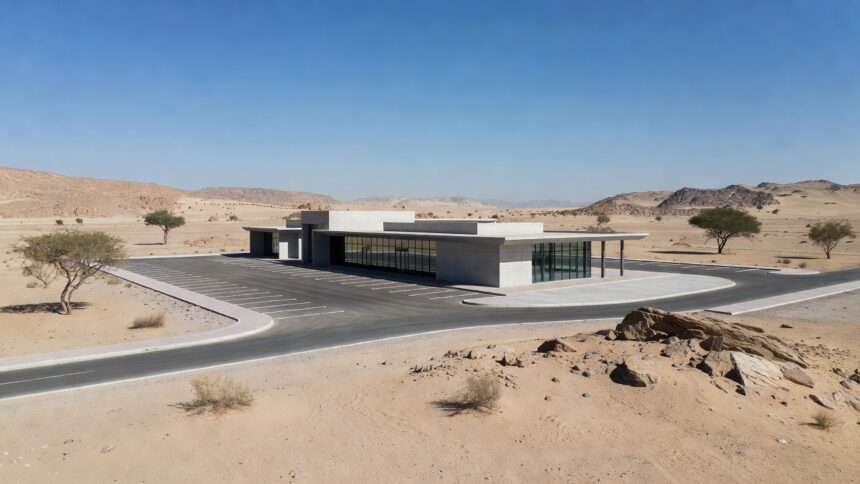


The Sharjah Electricity, Water and Gas Authority completed the water network project for the Al Suhub Rest Area located on the Sharjah-Kalba Road, the Emirates News Agency reported this week. The initiative involved the installation of pipelines in varying diameters with a combined length of 1,650 metres to connect the rest area to the main water distribution system. This development ensures the provision of reliable water services to the popular stopover facility used by travelers between Sharjah and the east coast.
SEWA’s latest project forms part of a larger programme that saw the authority complete 136.5 kilometres of water lines and network extensions across Sharjah throughout 2025, Sharjah24 reported in January. Those works included extensions in multiple residential and industrial zones at a combined cost exceeding AED 50 million. The authority replaced 35 kilometres of old asbestos pipes with modern fiberglass-reinforced epoxy material during the same period.
In the first quarter of 2026 alone, SEWA expanded and upgraded more than 70 kilometres of water networks, according to a June report by the Emirates News Agency. Projects in that period encompassed distribution networks in industrial areas and replacements of ageing pipelines with durable Glass Reinforced Epoxy pipes. Engineer Faisal Al Sarkal, director of SEWA’s water department, has repeatedly emphasised the authority’s focus on strengthening infrastructure to meet rising demand from population and economic growth.
Sharjah has allocated AED 4 billion ($1.1 billion) for comprehensive water network upgrades, an August 2025 assessment by AGBI found. The investment covers laying 245 kilometres of pipelines, constructing three pumping stations and building nine reservoirs with a collective storage capacity of 180 million gallons. Completion of the full programme is targeted for the third quarter of 2027.
The Al Suhub project aligns with SEWA’s strategic objectives to enhance service quality and support urban development across the emirate. By extending the water network to key public facilities, the authority aims to maintain consistent supply standards for residents and visitors alike. Additional projects in Kalba and other areas have similarly boosted daily distribution capacity in recent months.
SEWA has also employed advanced technologies to conserve water resources, saving 1,331 million gallons through a satellite-based leak detection programme that identified and repaired 1,345 leaks between March 2024 and May 2025, a WAM report from March 2026 detailed. Engineer Faisal Al Sarkal noted the use of acoustic devices and satellite surveys across the authority’s 5,000-kilometre network. These efficiency measures complement the expansion efforts by reducing losses in the distribution system.