ع
ع



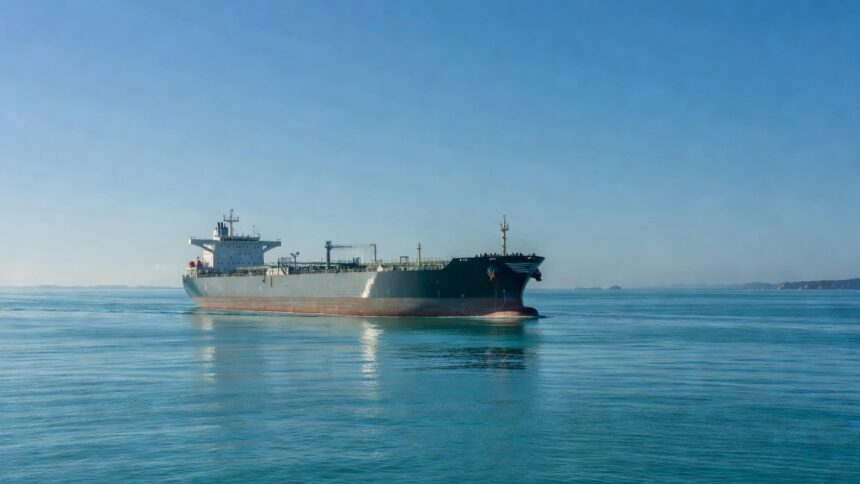


Emirates News Agency reported that Brent crude futures rose 0.92 percent to $95.52 a barrel in early trading on Wednesday while West Texas Intermediate contracts followed a similar path higher. The gains reflected fresh worries over potential supply interruptions following recent incidents in the Strait of Hormuz, where tanker attacks have raised insurance costs and slowed shipments. Oilprice.com data placed Brent near $96.05 and WTI at $91.51 in subsequent sessions, illustrating sustained buying interest across benchmarks.
A Wall Street Journal assessment found that Brent had closed above $100 earlier in March 2026 for the first time since 2022 after Iranian statements regarding the Hormuz strait, with the latest moves building on that momentum. U.S. Central Command actions against targets in the region added to the uncertainty, prompting traders to price in tighter availability from OPEC-plus producers. West Texas Intermediate settled one recent session at $95.73, underscoring the broad advance that carried both contracts well above summer lows.
The International Energy Agency has projected global oil demand growth of more than one million barrels per day through the remainder of the decade, a figure that leaves little room for persistent disruptions in Gulf shipments. Recent tanker incidents have already lifted freight rates for crude carriers by double-digit percentages, according to shipping indices tracked by Reuters. Such added costs flow directly into delivered prices and have contributed to the current rally that pushed Brent futures into the mid-$90 range.
Yahoo Finance compilations of trading activity showed Brent contracts rising as much as 7.67 percent on certain days when Hormuz-related headlines intensified, though the Wednesday move represented a more measured 0.92 percent step. Open interest across Brent futures remained elevated near 600,000 contracts, signaling continued participation from hedge funds and commodity index managers. Settlement prices for later-dated Brent contracts trailed the front month by several dollars, reflecting expectations that any physical shortages would prove temporary if diplomatic efforts advance.
Financial Times figures placed the 52-week range for Brent between roughly $59 and $126, with the current level sitting in the upper half of that band after cumulative gains of nearly 40 percent over the past year. Analysts monitoring the market noted that Saudi and South Korean tankers had been targeted in the strait, events that prompted renewed diplomatic contacts aimed at de-escalation. Those developments have kept volatility elevated, with daily swings frequently exceeding two dollars a barrel.
Investment flows into energy equities and exchange-traded funds have accelerated in tandem with the price recovery, according to exchange data published by major index providers. The sustained move above $90 has also begun to influence downstream products, lifting gasoline and heating-oil futures by comparable percentages on the New York Mercantile Exchange. Longer-term forecasts from banking desks now center on Brent averaging between $80 and $90 for the full year, subject to any further deterioration in regional security conditions.