ع
ع



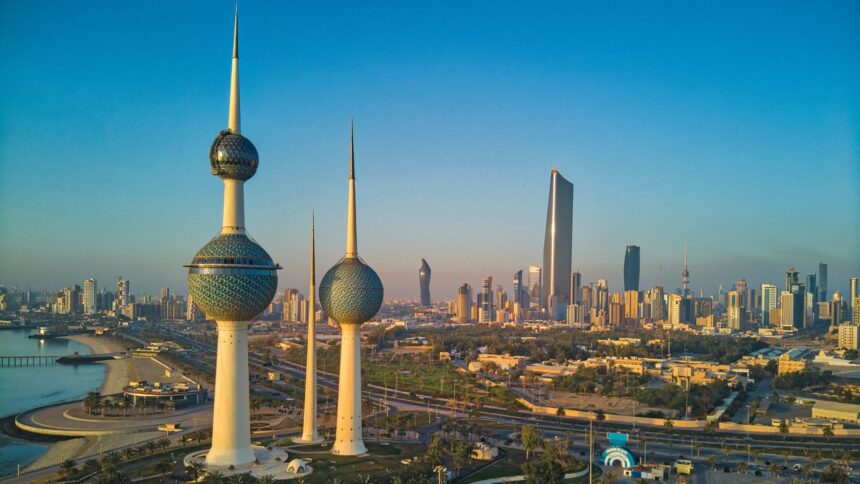


Investment companies listed on Boursa Kuwait are posting more typical half-year profits in 2026. Elevated results in 2025 across parts of the sector have given way to quieter comparisons, while the regional conflict that intensified early in the year reduced trading volumes, raised volatility and weighed on investor sentiment.
Kuwait’s equity market lost nearly $4 billion in market value over the first six months, with liquidity declining. AGBI reported that profit-taking, geopolitical tensions, weaker oil prices and anticipation of company results all contributed. Boursa Kuwait itself recorded a net profit of KD 13.74 million for the period. The exchange noted that escalating regional geopolitical developments affected sentiment and prompted a precautionary suspension of trading in early March; second-quarter activity later recovered.
Sector results
Several investment and holding companies show lower year-on-year profit comparisons while continuing to work on their underlying platforms.
Kuwait Projects Company (KIPCO) reported net profit of KD 5.3 million for the first half of 2026, compared with KD 10.2 million a year earlier. The company linked the change in part to reduced operating performance in energy, banking, hospitality, real estate and industrial and logistics businesses under the impact of regional geopolitical conditions. Operating revenue still increased and shareholders’ equity rose.
Kuwait Investment Company posted H1 net profit of KD 5.2 million, lower by 49.3 percent year-on-year according to market disclosures circulated in mid-August.
Al Safat’s balance sheet and forward positioning
Al Safat Investment Company recorded a profit of about KD 6.95 thousand, or 0.002 fils per share, for the first half of 2026. More relevant for the medium term is the strength of its balance sheet and the direction of its strategy.
Shareholders’ equity has continued to rise and total liabilities have declined, leaving the company with a cleaner capital structure and greater flexibility. Total assets stood higher at the end of 2025 than a year earlier, while liabilities moved lower. That trajectory of rising equity and falling leverage provides a more solid base for the next phase of activity. The company’s 2025 annual report and subsequent interim statements document the improvement in the capital structure.
Management is actively reshaping the portfolio toward higher-quality, income-generating assets and away from non-performing holdings. The company is developing its real-estate platform, including Al Safat Tower as an office asset, its commercial complex, and “The Blue” industrial complex in Ahmadi as a hub for multiple sectors and smaller businesses. It is expanding market-making services (four clients in 2025, delivering a 13.6 percent return that year) and growing its fiduciary assets under management. Future plans include the launch of exchange-traded funds and income-generating real-estate funds, alongside participation in Kuwait’s infrastructure and urban-development projects, including public-private partnership and build-operate-transfer opportunities. Strategic partnerships are also being pursued to broaden income sources locally and regionally.
This pattern, a period of quieter reported profit while the balance sheet is strengthened and the portfolio is repositioned toward higher-yielding and more scalable activities, is familiar among investment and holding companies that later compound successfully. Western platforms such as long-term holding companies and private-equity groups have repeatedly shown that years spent cleaning portfolios, building recurring income streams and preparing new products often precede stronger subsequent cycles of growth and returns. Al Safat’s current emphasis on income-generating real estate, market-making, asset management and new fund products places it in a similar preparatory phase.
Looking ahead
The second half of 2026 will be watched for stabilisation in trading volumes, further progress on portfolio restructuring across the sector, and signs that regional conditions are easing. For firms that have already improved their capital structures and are actively shifting toward more resilient income streams, the quieter half-year numbers may prove less significant than the platform being built underneath them.