ع
ع





Qatar International Cable Company shareholders announced they have declined to proceed with negotiations over a potential acquisition by Aamal Group, according to a statement published Tuesday. The decision follows Aamal’s disclosure on February 19, 2026, that it intended to enter discussions regarding the purchase of the cable manufacturer. Under the strategic guidance of its shareholders, the company will maintain its current ownership structure while pursuing independent objectives that align with broader national priorities. The statement emphasised that QICC remains focused on its established operational path without disruption from the now-terminated talks.
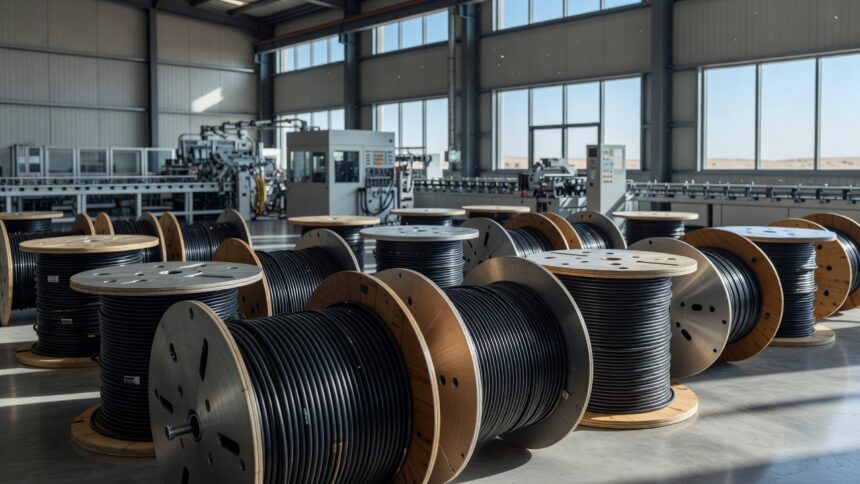
Company information from QICC’s corporate profile describes it as a joint venture established in Qatar in 2008 between Nexans and Al Mirqab Capital, with commercial production commencing in the fourth quarter of 2010. The firm specialises in energy cables ranging from low voltage to high voltage solutions that support infrastructure and industrial applications. QICC has built a reputation for delivering cabling systems that enhance performance across multiple sectors, contributing to regional development initiatives since its inception. Its alignment with Nexans has provided access to global expertise in cable technology that has strengthened local manufacturing capabilities.
A MarkNtel Advisors assessment found that the GCC wires and cables market was valued at USD 3.78 billion in 2025 and is projected to reach USD 4.68 billion in 2026 before expanding further to USD 8.76 billion by 2032. This growth trajectory reflects increasing demand tied to infrastructure projects, urban expansion and industrial diversification across the Gulf region. QICC operates within this expanding sector, where local production helps reduce reliance on imports and supports export objectives. The company’s positioning has allowed it to capture rising opportunities in energy and construction segments that drive much of the market’s momentum.
Aamal Company maintains a diversified portfolio across more than 32 business units, according to details on its corporate website. The group organises operations into four primary sectors that include industrial manufacturing, property development, trading and distribution, as well as managed services. Aamal has established market-leading positions in several of these areas, supporting its role in Qatar’s overall economic framework. Its interest in QICC had signalled a potential expansion into cable manufacturing that will now not materialise following the shareholders’ decision.
The QICC shareholders’ statement reaffirmed the company’s dedication to playing a key role in advancing the national economy. It further highlighted plans to accelerate export-driven development under current ownership. This commitment comes as Qatar continues to emphasise industrial growth and self-sufficiency in strategic sectors. The cable producer’s export focus aligns with national efforts to broaden non-energy revenue streams and strengthen international trade linkages.
Qatar’s industrial sector has seen steady investment in manufacturing capabilities that complement infrastructure megaprojects, with cable production forming an essential component of electrical and energy networks. QICC’s ongoing independence positions it to capitalise on these trends without integration into Aamal’s broader conglomerate structure. The rejection of the proposal underscores the shareholders’ confidence in the company’s standalone potential within the competitive GCC market. Industry participants will monitor how QICC translates its reaffirmed strategy into tangible performance gains in the coming periods.