ع
ع



The Institute for Economics and Peace detailed the ongoing costs of the US-Iran war in its Global Peace Index 2026 released on June 9. Global gross domestic product stands to lose $2.2 trillion each year in purchasing power parity terms under prevailing conditions according to the report. This sum reflects the gap between a baseline scenario of prolonged tensions and a resolution that the institute now views as unfeasible. Analysts at the Sydney-based organisation emphasised that the burden falls disproportionately on vulnerable high-debt economies reliant on energy imports.
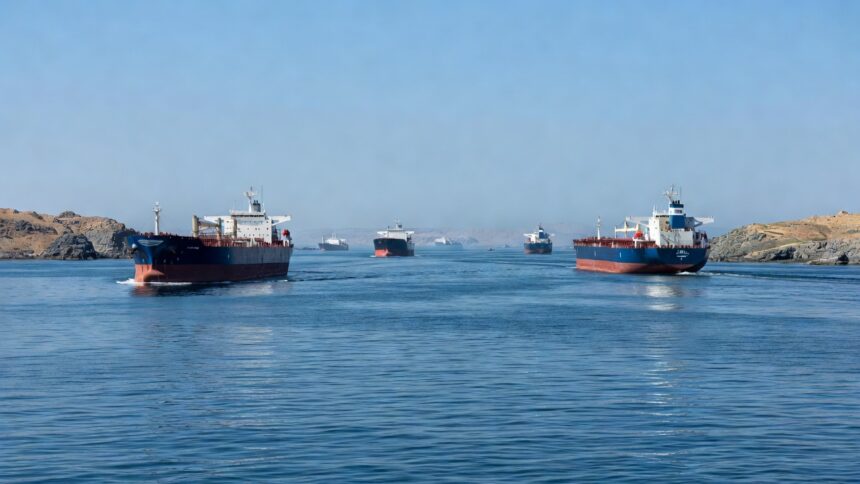
Annual losses would reach $1.3 trillion in the most likely extended ceasefire with only partial reopening of the Strait of Hormuz the Institute for Economics and Peace calculated. A resumption of full conflict would drive that total to $3.5 trillion according to the same assessment. The difference equates to the quantifiable value of successful diplomacy that prevents further escalation the report stated. Elevated shipping insurance premiums and continued naval activity define the baseline outlook while negotiations between Washington and Tehran remain stalled.
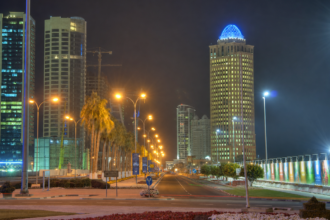
Iran confronts the steepest economic contraction with GDP projected to fall between 15 and 25 per cent depending on whether fighting subsides or intensifies the Institute for Economics and Peace found. Infrastructure damage in the country could range from $80 billion to $350 billion under varying scenarios the assessment showed. Qatar faces potential shrinkage of 15 per cent or nearly $54 billion in the escalated case while Bahrain and Kuwait could each see 10 per cent declines. Saudi Arabia would register a 6 per cent GDP reduction amounting to almost $174 billion despite rerouting some oil exports through alternative pipelines.
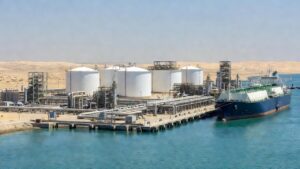
The Institute for Economics and Peace placed combined infrastructure harm across affected nations including energy sites military installations ports and civilian facilities but excluded long-term rebuilding expenses from its tallies. Qatar the leading liquefied natural gas exporter sustains the highest estimated regional damage outside Iran at up to $60 billion in the worst outcome. The UAE falls in the middle with potential losses between $3 billion and $35 billion the report indicated. Oman records the lowest range from $500 million to $5 billion among Gulf states examined.
Global economic impact of violence climbed 3.2 per cent to $21.81 trillion in 2025 equivalent to 10.5 per cent of world GDP the Institute for Economics and Peace determined in the same document. The Iran war contributes an initial 0.6 per cent drag on global output in the baseline projection which appears limited beside the 3.5 percentage point contraction from the 2008 global financial crisis or the 3.1 per cent drop recorded in 2020 during the COVID-19 pandemic. Effects remain sharply focused rather than dispersed across the world economy the analysis noted. Pre-existing fragilities in impacted nations interact with disrupted trade routes to magnify the overall shock.
Institute for Economics and Peace analysts observed that the aggregate 0.6 per cent global GDP loss masks intense localised pressures on food security and sovereign debt. “The countries closest to the conflict this time are hit twice over” the report said citing simultaneous losses of export income rising import expenses and direct infrastructure harm. Looming harvest shortfalls in South Asia and East Africa could intensify food inflation through late 2026 and 2027 according to the assessment. The institute cautioned that many channels of influence on global activity have yet to fully materialise and will hinge on the conflict’s future trajectory.