ع
ع
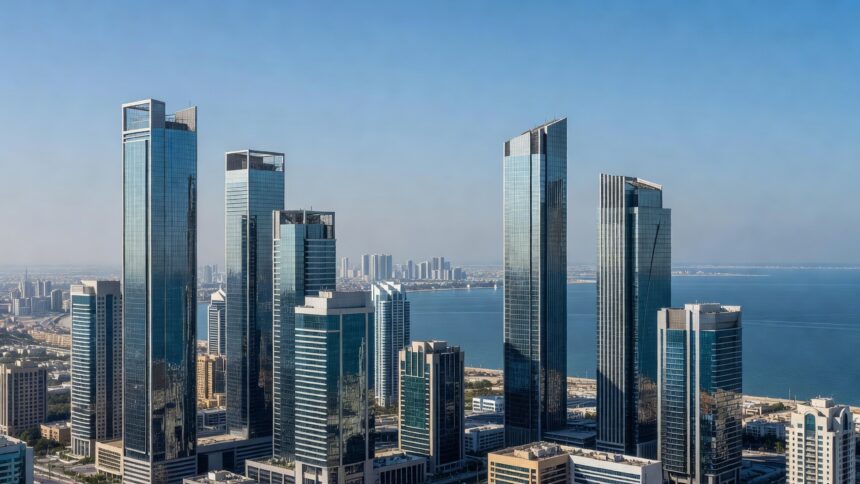


Gulf sovereign wealth funds have continued aggressive dealmaking this year despite the fiscal pressures triggered by March disruptions to the Strait of Hormuz, with first-half investments reaching an all-time high across 108 transactions. The funds, which collectively manage an estimated $5.7 trillion according to industry trackers, have drawn on their liquidity in public markets rather than becoming forced sellers, even as some Gulf governments face widened budget deficits and reconstruction costs. Global SWF figures show the activity defies initial analyst warnings that sustained conflict would force a strategic pause, with Abu Dhabi and Saudi vehicles leading deployments into technology, infrastructure and financial services. The resilience reflects mandates established over generations to accumulate reserves during oil booms for precisely such shocks.
The March escalation, which closed key shipping lanes and halted output at major Saudi and Qatari facilities, sent oil prices surging more than 20 percent in days while cutting hydrocarbon revenues that still anchor public finances across the region. JPMorgan analysts revised down non-oil growth forecasts for Gulf Cooperation Council members by an average 1.2 percentage points in the immediate aftermath, with the UAE absorbing the largest downgrade of 2.3 percentage points. A subsequent United Nations Development Programme assessment placed the potential GDP drag on Arab economies between $120 billion and $194 billion if disruptions lingered. Saudi Arabia entered the period with a 276 billion riyal deficit from the previous year and an approved 217 billion riyal borrowing plan for 2026, while the UAE maintained projected surpluses near 5 percent of gross domestic product.
Strategic investment arms such as Saudi Arabia’s Public Investment Fund and Abu Dhabi’s Mubadala have nevertheless sustained commitments to artificial intelligence, robotics and entertainment, sectors viewed as central to post-oil diversification. Mubadala joined a $4 billion investment in life insurance group Athora Holding in June, while the Public Investment Fund continued backing domestic Vision 2030 projects alongside international technology stakes that include SoftBank’s Vision Fund. Abu Dhabi’s MGX, formed in partnership with Mubadala, advanced its $30 billion artificial intelligence infrastructure initiative with BlackRock, and three Gulf funds participated in a $108 billion media transaction late last year. These moves build on a post-2008 pattern in which the funds shifted from pure portfolio investors to active drivers of economic transformation.
Kuwait’s Investment Authority, the world’s first sovereign wealth fund established in 1953 and now valued near $1 trillion, offered an early template for crisis deployment when its London office effectively functioned as a finance ministry during the 1990 Iraqi invasion. Similar logic underpins today’s vehicles, though mandates differ sharply: the Public Investment Fund focuses heavily on domestic development, while the Abu Dhabi Investment Authority and Kuwait Investment Authority concentrate on international markets. A Middle East Council on Global Affairs analysis notes the funds represent more than 40 percent of global sovereign wealth assets and have enhanced sovereign creditworthiness, yet sustained drawdowns risk diverting capital from long-term diversification goals.
Public market holdings have provided the easiest liquidity during volatility, with the Abu Dhabi Investment Authority among investors trimming a large position in U.S. medical supplier Medline in recent months. Sam Bourgi, a finance analyst at InvestorsObserver, said listed equities allow rapid rebalancing without the challenges posed by private equity or infrastructure stakes held by vehicles such as Mubadala. Peter Jädersten, chief executive of Jade Advisors, observed that sovereign wealth portfolios face the same short-term reset affecting global endowments and pension funds but are unlikely to see lasting structural change. Qatar Investment Authority, which deployed domestically to stabilise banks in 2008, has similarly maintained cornerstone positions, including in the U.S. listing of Japanese payments firm PayPay.
Finance ministries have so far avoided large-scale liquidation of fund assets, preferring to tap international debt markets even as borrowing costs rise. The Public Investment Fund has shouldered much of Saudi Arabia’s Vision 2030 capital expenditure, prompting Oxford academic Ana Nacvalovaite to caution that its dual role as global investor and domestic engine leaves it more exposed to fiscal constraints than pure portfolio funds. Robert Mogielnicki of the Arab Gulf States Institute noted that the funds’ deep reserves still afford governments buffers unavailable to many peers, particularly as defence spending and supply-chain repairs add pressure. Regional precedents suggest any mobilisation will prioritise citizen security, food imports and critical infrastructure over new overseas acquisitions.
A Deloitte Middle East report published in 2025 projected that Gulf-led expansion will help lift global sovereign wealth assets to $18 trillion by 2030, with the bloc continuing to dominate cross-border deal flow. Recent activity indicates the March crisis has not derailed that trajectory, though longer-term repair of infrastructure damaged in Iranian strikes could stretch fiscal resources for years. Kuwait Investment Authority data presented to parliament this spring underscored steady performance despite market swings, reinforcing the funds’ original purpose as intergenerational rainy-day reserves.