ع






The director-general of the Syrian Investment Authority outlined Damascus’s interest in leveraging Qatari experience to advance project development and reinforce bilateral economic partnerships, according to a statement carried by Qatar News Agency on November 5, 2026. The comments reflect Syria’s broader push to attract foreign investment and technical support following years of conflict that have left large parts of its infrastructure in need of rehabilitation. Officials have repeatedly pointed to opportunities in sectors ranging from energy and transport to tourism and real estate as the government works to establish a more investor-friendly environment. This approach aligns with a series of high-level engagements between Syrian and Qatari representatives over recent months.
Qatar News Agency reported that the Syrian official stressed the importance of translating high-level political relations into tangible economic cooperation that delivers sustainable growth. The authority is focusing on creating clear pathways for investors from initial concepts through to project execution, a process that could benefit from Qatari models of project management and quality assurance. Such collaboration would help Syria map its economic priorities across the national territory while generating employment and stimulating activity in vital industries. The statement underscores a shift toward practical partnerships that move beyond general commitments to concrete joint initiatives.
Syrian and Qatari officials discussed housing, infrastructure, smart cities and real estate development during meetings in Doha in December 2025, the Syrian Arab News Agency reported. Minister of Public Works and Housing Mustafa Abdul Razzaq held talks with the president of Qatar’s Public Works Authority and visited sites including Lusail Smart City and projects managed by Qatari Diar. Those conversations examined the exchange of technical expertise and the creation of joint committees to facilitate knowledge transfer in planning, execution and oversight. The meetings occurred on the sidelines of the Council of Arab Ministers of Housing and Construction, which promotes the sharing of successful urban development models across the region.
A formal partnership to boost investment and economic cooperation was launched in September 2026, according to the Syrian Arab News Agency, building on earlier contacts. Syrian Investment Authority Director General Ahmad Rawad Ramadan described the initiative as a step toward sustainable ties that extend beyond economics to include humanitarian and political dimensions. Ramadan highlighted Syria’s entry into an intensive reconstruction phase that presents opportunities in real estate, industry, agriculture, energy and technology. Qatari participants expressed confidence in Syria’s investment potential and announced plans for a business delegation to visit and assess projects on the ground.
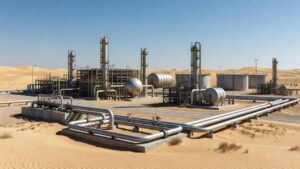
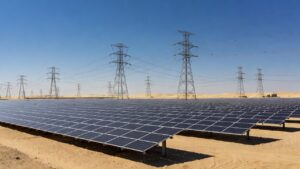
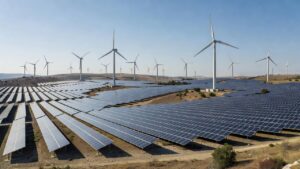
The energy sector has also featured in Syrian-Qatari discussions, with the Syrian Arab News Agency noting a September 2025 meeting between Syria’s energy minister and the Qatar Fund for Development. Talks covered potential collaboration in oil, gas, water, electricity and broader infrastructure projects aimed at improving basic services and supporting economic recovery. The Qatar Fund had provided grants that Syrian officials welcomed as evidence of commitment to development efforts. These exchanges form part of a pattern in which Syrian ministries seek targeted Qatari input to address specific gaps in technical capacity and financing.
Syria’s outreach to Qatar occurs against a backdrop of ongoing financial and regulatory reforms designed to improve the business climate, a process that has drawn support from Qatari partners. The Ministry of Finance has cooperated with Qatari counterparts on assessments of the banking sector and multi-donor trust funds coordinated with the World Bank, according to statements from Syrian officials. Such efforts aim to channel reconstruction assistance toward national priorities while ensuring measurable impact on living conditions. Continued coordination at both governmental and private-sector levels is expected to shape the next phase of bilateral economic activity.