ع




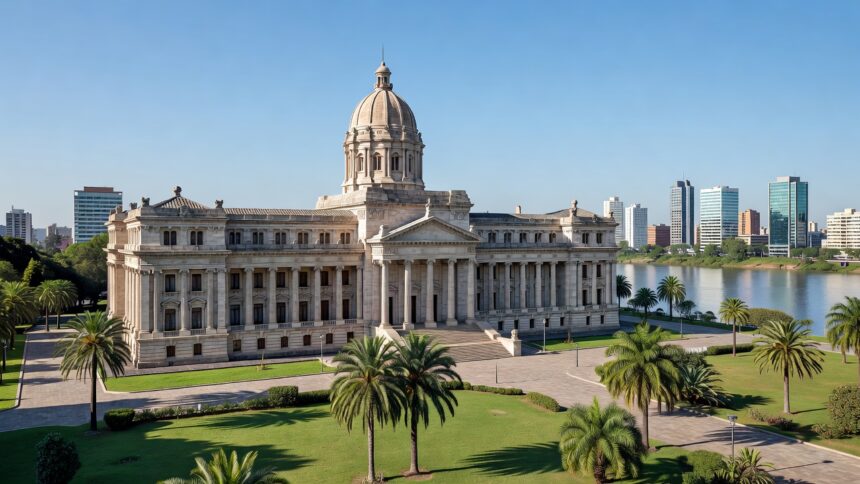


In a video message posted on social media, Peña announced his resignation to protect national stability, social peace and democratic institutions while expressing regret over any failures during his tenure. He stated that it was never his intention to betray the trust placed in him by the public. Minutes after the announcement, according to parliamentary officials, the lower house voted unanimously 78-0 to pursue impeachment proceedings, with the matter now before the Senate to decide on accepting the resignation or continuing with removal.
The central bank seized Ueno Bank earlier in the week after an assessment found its capital levels had fallen to less than half the legal minimum following corrections to its financial statements that exposed risky insider loans. Central bank data places the number of affected customers at approximately three million, equivalent to about 60 percent of Paraguay’s adult population in a country of roughly 6.1 million people. The lender had also held between 800 and 850 million dollars in public funds including pensions, prompting authorities to begin transferring viable accounts to other institutions and activating deposit insurance mechanisms.
Peña had been a shareholder in the bank’s parent company until the previous year, according to corporate records, a detail that fueled accusations of conflicts of interest after government deposits at the lender surged during his time in office. The president had appointed a former Ueno executive to lead the central bank, further intensifying questions about regulatory oversight that officials have said contributed to undetected accounting problems. Peña rejected any claims of misconduct throughout the unfolding events.
Security forces reported using tear gas and water cannons to disperse crowds during three days of protests in Asunción, where demonstrators demanded immediate access to frozen savings, wages and pensions. Local authorities noted that long lines formed at alternative banks as customers sought to shift their holdings amid fears over broader financial safety. The unrest underscored the scale of disruption in a nation where Ueno had rapidly become a dominant digital lender.
Market data from currency traders showed the Paraguayan guarani depreciating by 5.2 percent against the dollar in the wake of the bank’s seizure and the ensuing political turmoil. The central bank has stated that its intervention aimed to safeguard depositors and maintain overall financial system stability during the resolution process. Economists tracking the situation have indicated that prolonged delays in repayments could affect household spending and economic output in the coming quarters.
Constitutional provisions place succession with Vice President Pedro Alliana if the Senate accepts the resignation, though initial sessions failed to reach a quorum on the matter, according to legislative updates. The upper chamber must still weigh the impeachment case alongside the resignation. Officials involved in the bank resolution have confirmed that liquidation of remaining Ueno assets will proceed independently of the political transition.