ع
ع

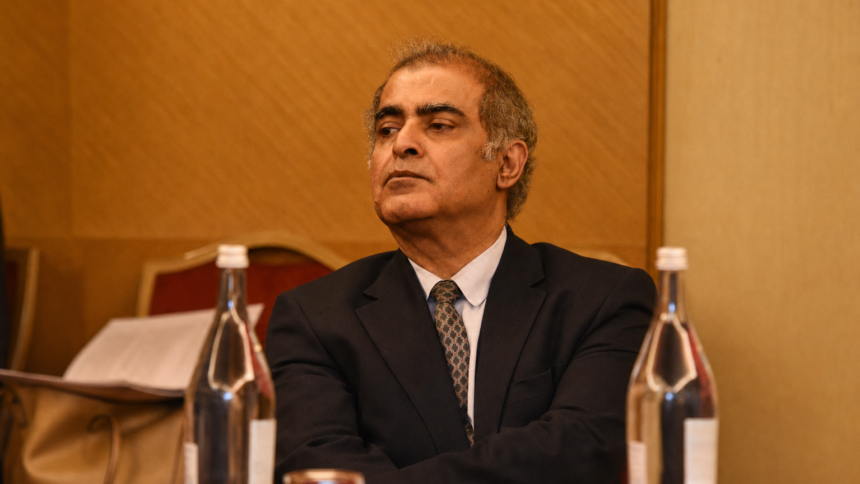


Legal consultant Dr AbdelGadir Warsama Ghalib outlined the exact role of company directors in Qatar this year, emphasising that board members hold both individual and collective responsibility for performing duties that cannot be delegated to others. According to the consultant’s analysis, directors owe fiduciary duties of care and loyalty to the company, its shareholders, stakeholders and the community at large while operating under the company law, articles of association and corporate governance code. The framework requires each board member to understand these obligations fully before accepting appointment, with the consultant noting that a written agreement should specify powers, tenure, time commitment, remuneration and access to independent advice. Dr AbdelGadir Warsama Ghalib added that boards should adopt a formal charter reserving key matters to themselves in line with statutory requirements.
The Commercial Companies Law No. 11 of 2015 establishes that directors and managers exercise full authority over company affairs unless explicitly restricted in the memorandum of association, with such restrictions only binding on third parties after Commercial Register filing. A Thomson Reuters Practical Law overview prepared by Essa Al Sulaiti Law Firm states that board members bear joint and several liability to the company, shareholders and third parties for damages arising from fraudulent acts, abuse of authority, violations of the law or the company’s articles of association. This liability extends to managers of limited liability companies under the same article, covering gross negligence and mismanagement as well. The law further obliges directors to call general meetings and report financial results, with failures in these areas triggering personal accountability.
Qatar Financial Markets Authority documentation from the 2025 Governance Code for Listed Companies requires boards to prepare a charter that includes setting strategies, risk appetite, performance oversight and senior executive appointments. That code, issued under QFMA Board Decision No. 5 of 2025, mandates that at least one third of directors in public shareholding companies be independent while prohibiting the chairman from holding executive positions or sitting on audit, nomination or remuneration committees. The authority’s rules also address minority shareholder protections, including mandatory offers upon crossing ownership thresholds and options for reserving board seats for minority or employee representatives. QFMA assessments place emphasis on disclosure of conflicts and prohibition of unauthorised loans to directors.
Directors must act within powers granted by the company constitution and exercise independent judgement while promoting the company’s success, according to provisions cross-referenced in the Practical Law guide. The consultant’s column highlighted that boards should maintain a statement of reserved matters covering strategy, risk management, internal controls and stakeholder interests without transferring core responsibilities. When losses reach half the share capital, the Commercial Companies Law requires an extraordinary general meeting to decide on continuation or dissolution, a step that carries personal liability implications for non-compliance. These rules align with Qatar’s broader corporate governance evolution aimed at enhancing transparency and investor confidence.
The 2025 governance updates build on the Commercial Companies Law by incorporating sustainability disclosure and alignment with OECD principles, according to QFMA materials. Dr AbdelGadir Warsama Ghalib noted in the analysis that corporate culture and community development form part of the board’s remit alongside financial stewardship. Any attempt to exempt directors from liability for breaches through contractual provisions is void under the legislation, reinforcing the mandatory character of these standards. Enforcement rests with regulators including the Qatar Financial Markets Authority and the Ministry of Commerce and Industry, which monitor adherence across listed and private entities.
Public shareholding companies listed on the Qatar Stock Exchange face the most stringent application of these duties, with the governance code demanding regular board evaluation, succession planning and risk committee structures. The Thomson Reuters overview confirms that directors represent the company in legal proceedings and bind it through authorised statements, provided actions remain within registered powers. As Qatar continues diversifying its economy beyond energy, adherence to these legal and governance requirements has grown in importance for both domestic and foreign investors. The combined framework ensures directors balance operational control with accountability to multiple stakeholders.