ع
ع


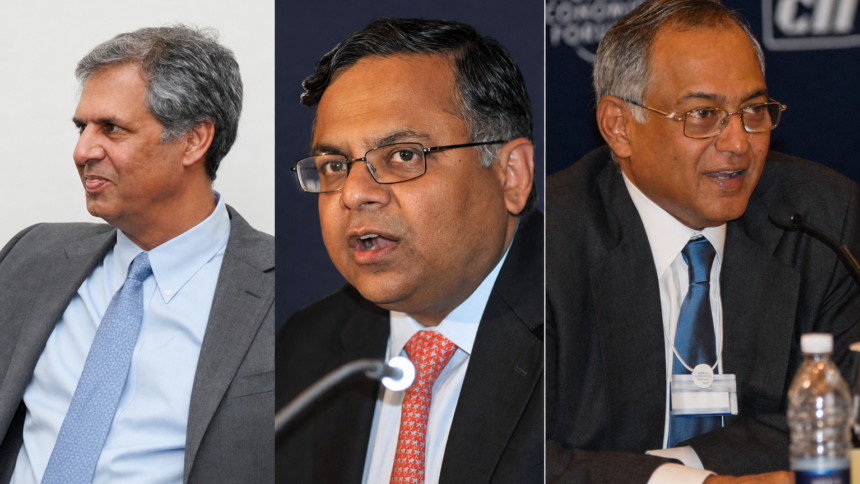


The Tata Sons board voted 4-1 on September 17 to extend N Chandrasekaran’s term as executive chairman despite opposition from Noel Tata, who leads the Tata Trusts that hold a two-thirds stake in the group, according to a Business Standard report. Tata Trusts subsequently labeled the move a legal nullity, arguing that the company’s articles of association require affirmative support from a majority of its two nominee directors on reserved matters such as chairman appointments. The second nominee, Venu Srinivasan, sided with the majority in the vote, creating a split that the board resolved through a casting vote while the Trusts insist no valid majority existed among their representatives.
This episode has prompted founders, strategic investors and private equity funds to scrutinize the fine print of their own shareholder pacts to prevent similar overrides, Business Standard reported on September 25. Proxy advisory firm IiAS stated in a note that the board violated the basic governance principle of shareholder supremacy and described the action as a possible first in corporate India that sets a troubling precedent. The development arrives amid broader questions about the balance between professional management and controlling owners in one of the country’s most prominent conglomerates.
Tata Sons’ articles grant special voting rights to Trusts-nominated directors on issues including leadership changes and potential listings, provisions that the Supreme Court upheld in its 2021 ruling on the earlier Cyrus Mistry dispute, a Reuters analysis noted. Noel Tata, the only family-linked executive in senior roles at the holding company, also objected to plans to list Tata Sons publicly to meet Reserve Bank of India rules after its core investment company exemption request was denied. The board’s decision to proceed has exposed divisions even within the Trusts’ representation and raised the prospect of further legal or shareholder votes that could test these entrenched governance mechanisms.
The Shapoorji Pallonji Group, which maintains an 18.4 percent stake as the second-largest shareholder after the Trusts, has been seeking to monetize part of its holding valued at roughly $2.61 billion and has supported listing as a path to liquidity, Al Jazeera reporting indicated. That infrastructure-focused group faces its own debt pressures, adding another layer to the tensions that echo the decade-old Mistry family conflict which culminated in lengthy litigation. Corporate lawyers have told Reuters that while a majority shareholder does not hold an automatic veto on every board decision, the specific contractual language in the articles creates binding obligations that both sides are now interpreting differently.
Listed Tata companies collectively hold a market capitalisation of $277 billion and influence over 17.7 million retail shareholders in addition to institutional investors, an InGovern assessment found. The public nature of the disagreement is unusual for the 158-year-old Tata Group, whose charitable Trusts were established to ensure the conglomerate’s philanthropic focus across its salt-to-software operations, according to an Al Jazeera overview published September 25. Industry participants are watching closely because the outcome could influence how other trust-held or founder-controlled entities structure their agreements to avoid board rebellions against dominant owners.
Legal opinions obtained by Tata Sons from senior counsel support the use of a casting vote to break the 1-1 deadlock among Trusts nominees, a position the Trusts have rejected in favor of requiring coordinated affirmative action, Business Standard detailed. The episode has also highlighted the role of the Maharashtra Public Trusts Act governing the charitable entities that ultimately direct much of the group’s oversight. As the standoff continues, market participants anticipate potential shareholder meetings or regulatory filings that will further clarify the limits of board authority versus shareholder supremacy in India’s corporate landscape.