ع
ع





In an interview with Gulf Times published on Thursday, Petra Hedorfer outlined how recent surveys indicate a shift toward shorter booking periods and a preference for secure locations offering strong value, trends that favour Germany as it prepares for the peak summer season. Hedorfer pointed to a May survey of global travel experts conducted by the board that found 96 percent consider Germany a safe destination while 53 percent of tour operators expect improved bookings over the next six months. The assessment aligns with broader industry data from the OECD that showed Germany welcomed 37.4 million international tourists in 2024, with separate projections from Tourism Economics indicating a 3.2 percent rise in arrivals for 2026. A report from Market Research Future placed cultural tourism at about 40 percent of international arrivals in 2025.
Germany stands as Europe’s leading cultural travel destination thanks to its 55 UNESCO World Heritage sites that span centuries of history from ancient fossils to Bauhaus architecture, Hedorfer told Gulf Times. The country hosts more opera performances than anywhere else in the world, with notable events including the Bayreuth Festival celebrating its 150th anniversary this year in honour of Wagner and the Beethoven Festival in Bonn. High culture extends beyond major hubs such as Berlin, Munich and Hamburg to smaller cities and even rural venues like churches and barns that host musical performances, according to the chairwoman. The board’s slogan “Simply Inspiring Germany” captures associations from the Anholt Nation Brands Index that rank the country highly for being captivating, educational, exciting, relaxing and romantic.
Germany maintains an extensive festival calendar that draws millions of international visitors each year, ranging from the Wacken Open Air event that attracts around 80,000 fans as the world’s largest heavy metal festival to popular gatherings such as Munich’s Oktoberfest and Hamburg’s Dom, Hedorfer explained. The Rhine street carnival and approximately 4,000 Christmas markets offer additional opportunities for tourists to engage with local traditions. These events complement the cultural infrastructure and contribute to the nation’s appeal as a year-round destination with strong repeat visitation rates.
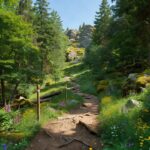
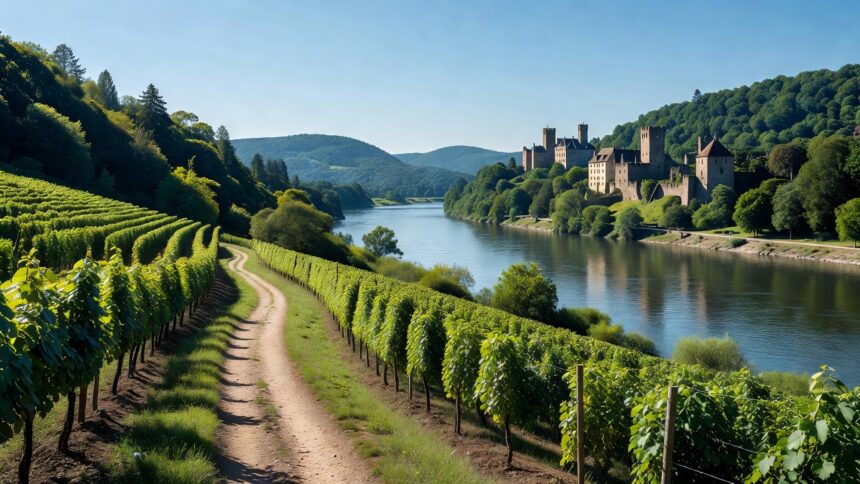
The board’s “Stay Longer” initiative encourages visitors to extend their stays by exploring natural areas near urban centres such as the Rheingau region by Frankfurt or the Ruhr area known as Europe’s greenest industrial region, according to Hedorfer. Germany features a marked hiking trail network spanning around 300,000 kilometres and a long-distance cycling route network of 76,000 kilometres equipped with e-bike rentals and charging stations. Roughly one-third of the country’s land falls under special protection as national parks, reserves and nature parks, a factor that helped Germany secure fourth place in the global Sustainable Development Goals Index, she noted. Water sports and family-oriented activities across generations further support the outdoor focus.
Regions such as the Harz combine culture, history and landscape at UNESCO World Heritage sites including the historic town of Goslar and the Rammelsberg ore mine that dates to medieval times, Hedorfer stated in the interview. More than 350 certified spas and wellness resorts provide additional options blending architecture with medical services. Low mountain ranges such as Saxon Switzerland and the forests of Hesse tied to the Brothers Grimm tales offer lesser-known attractions in every German state.
Hotel prices in Germany have held steady at levels from the previous year through 2026, supporting its competitive positioning against other European destinations despite high service standards, Hedorfer said. The German Tourism Quality Index produced a stable satisfaction rating of 1.94 on a scale of one to six. More than three-quarters of European visitors have travelled to Germany before, with 48 percent having visited more than four times, figures that underscore the high rate of return travellers drawn by the combination of safety, value and diverse experiences.