ع
ع



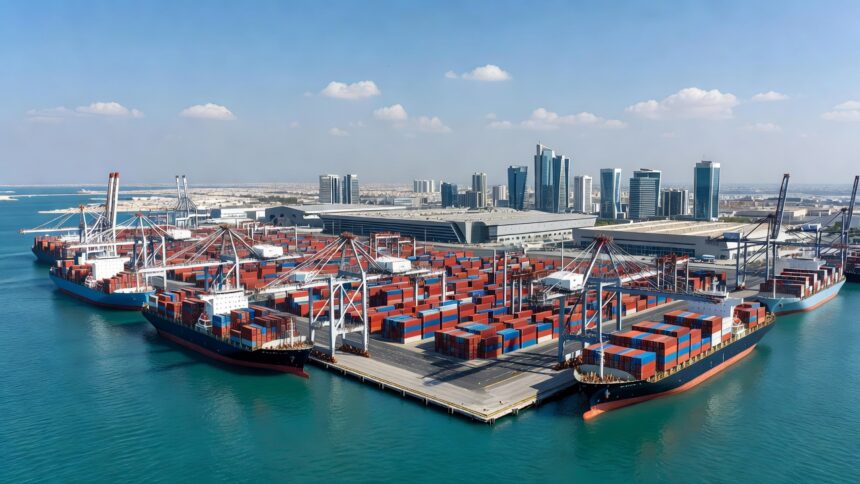


Sheikh Khalifa bin Jassim bin Mohamed Al Thani, chairman of the Federation of GCC Chambers and the Qatar Chamber, stressed the importance of fostering Gulf integration and building a more resilient trade and logistics system during the 15th GCC Consultative Meeting. The Qatar Chamber reported that his remarks highlighted how such efforts ensure the continued flow of goods, safeguard markets and enhance private sector competitiveness. He commended the GCC General Secretariat for coordinating with the Federation of GCC Chambers to strengthen economic cooperation and joint action.
According to the Qatar Chamber, Sheikh Khalifa noted that the meeting occurred amid rapid global economic and geopolitical changes affecting trade, transport and supply chains. He underscored the need for stronger GCC coordination to safeguard economic security while adding that swift action by member states, in cooperation with the private sector, has helped mitigate challenges and maintain the continuity of supplies. Sheikh Khalifa called for sustained efforts to ensure uninterrupted commercial activity across GCC markets.
Sheikh Khalifa said the key lesson from recent developments is that the security of Gulf trade depends not on a single route or port but on the ability of the GCC trade system to quickly shift between routes, ports and markets. The Qatar Chamber stated that the consultative meeting provides an opportunity to strengthen government-private sector dialogue and develop practical initiatives to safeguard trade and supply chains. These steps would enhance competitiveness, facilitate the movement of goods, reduce logistics costs and strengthen GCC trade resilience.
In an interview with Oxford Business Group, Sheikh Khalifa described small and medium-sized enterprises as becoming a cornerstone of Qatar’s economic future and a key driver of diversification and private sector growth. He said SMEs are increasingly integrating into major industrial, infrastructure and energy value chains as suppliers, service providers, technology partners and specialised subcontractors. Their growing participation strengthens local content, enhances national capabilities and supports a more resilient and competitive economy.
The UAE Ministry of Industry and Advanced Technology has reported that industrial exports have doubled since 2020, reaching Dh262 billion, while medium- and high-tech exports climbed to Dh92 billion. The ministry’s National In-Country Value programme has redirected more than Dh473 billion into the national economy, reinforcing local supply chains and industrial capabilities. A Dh1 billion National Industrial Resilience Fund launched in May 2025 further supports these goals by backing local production and reducing reliance on imports.
The Qatar Chamber participated in the consultative meeting with a delegation that included board members Ibtihaj Al Ahmadani, Mohammed bin Mahdi Al Ahbabi and Nasser bin Sulaiman Al Haidar. Discussions at the gathering outlined a framework for more integrated economic cooperation between governments and private sector bodies across the GCC. Sheikh Khalifa welcomed the participating heads of GCC chambers and noted that proposals from member chambers would be translated into practical programmes.