ع


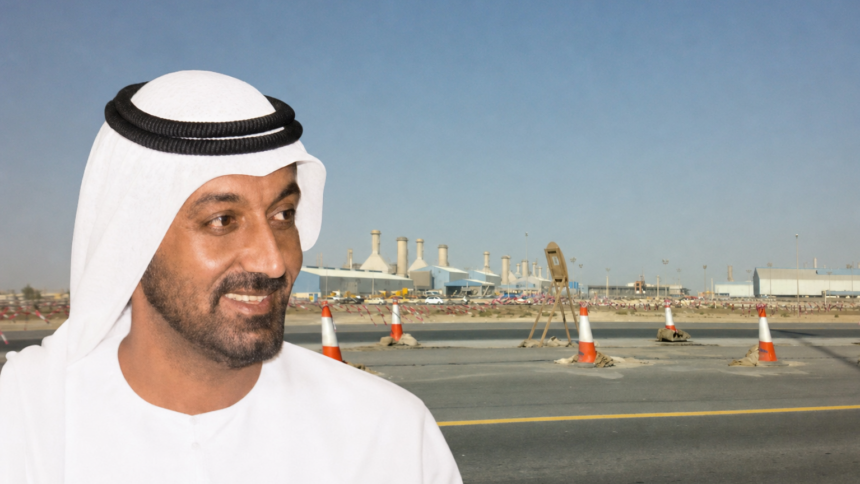


Sheikh Ahmed bin Saeed Al Maktoum approved the strategy to create the Global Centre for Research and Technology for Economic Zones under the World Free Zones Organization during a meeting with its leadership. The centre is designed to conduct research on policies, technologies and operational best practices that can improve the performance of free zones and special economic zones worldwide, according to the Emirates News Agency. It will function as a collaborative platform linking governments, the private sector, academic bodies and international groups to address emerging economic demands. The approval underscores ongoing efforts to position economic zones as drivers of global trade and investment while adapting to new regulatory and technological landscapes.
The World Free Zones Organization was registered in Geneva and launched in Dubai in May 2014 by 14 founding members, its official history states. Today the body brings together more than 1,600 members from 142 countries and serves as the primary global platform for cooperation on economic zones, according to material published on its website. The organisation focuses on knowledge sharing, policy dialogue and advisory support to help zones contribute to sustainable and inclusive growth in their host economies.
An overview provided by the World Free Zones Organization indicates that free zones and special economic zones currently employ more than 2 percent of the global workforce. Separate information from the organisation’s leadership messages places the estimated number of such zones worldwide at around 2,260, a figure that has expanded steadily since the first modern example opened in Ireland in 1959. These entities have become central to increasing trade flows, attracting foreign direct investment and generating employment across developed and developing markets alike.
The new centre’s mandate aligns with initiatives highlighted at the 11th World Free Zones Organization Congress held in Haikou, China, in October 2025, where participants inaugurated the Global Free Zones Research Institute as an independent think tank, congress proceedings show. That institute aims to deliver policy research, training and consulting services to zone authorities and governments as they navigate digital transformation and sustainability requirements, according to statements issued during the event by Dr. Mohammed Al Zarooni, chairman of the World Free Zones Organization. The gathering also featured memorandums of understanding between multiple international zones and partners in Hainan Province to facilitate cross-border data flows and joint development projects.
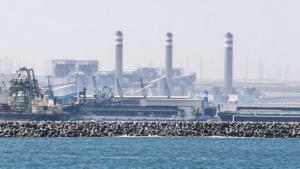
Jebel Ali Free Zone, a longstanding example within the UAE, recorded trade volumes of $190 billion in the 12 months leading to its 40th anniversary in 2025, operator DP World reported. The zone has drawn more than $30 billion in foreign direct investment over the past 20 years and supports more than one million direct and indirect jobs, the same figures show. Such outcomes illustrate the scale of impact that enhanced research and technology capabilities could extend to economic zones in other regions.
The World Free Zones Organization continues to organise annual congresses and benchmarking exercises that allow members to compare performance and adopt proven approaches, its published materials indicate. These activities complement the objectives of the newly approved centre by promoting operational excellence and long-term value creation. Member zones are expected to benefit from targeted studies on supply chain resilience, innovation ecosystems and regulatory harmonisation in the years ahead.