ع
ع



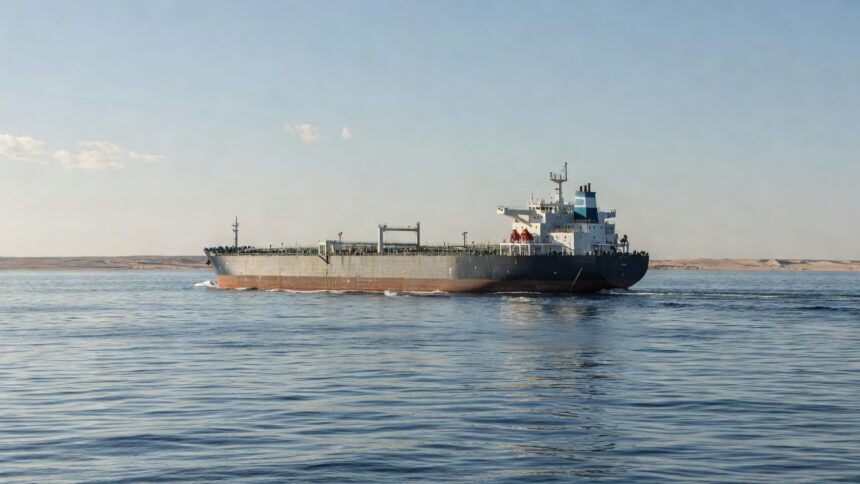


The Emirates News Agency reported that Brent crude oil maintained its position above the $100 per barrel mark amid ongoing supply concerns tied to geopolitical developments in the Middle East. Benchmark prices climbed more than 2 percent in early trading sessions this week, aligning futures contracts with already elevated physical market levels. Industry analysts tracked the movement as a response to reduced tanker traffic and potential further disruptions to exports from the region.
According to Reuters, front-month Brent futures rose to $100.95 a barrel before settling near $100.66 while West Texas Intermediate crude advanced to $95.77. The contracts posted their largest one-day percentage gains since the start of the month as attacks on shipping intensified. Rystad Energy data places recent flows through the Strait of Hormuz below 2 million barrels per day, down from 8 million to 9 million barrels per day in the week before fighting resumed on August 30.
The U.S. Energy Information Administration raised its Brent price forecast to an average of $91 per barrel for 2026 after recording a rise in Middle East output shut-ins to 6.7 million barrels per day in August. The agency noted that global stockpiles continue to decline rapidly under pressure from lost regional supply. A series of banks including Goldman Sachs and Bank of America have lifted their crude outlooks in recent days as the six-month-old conflict shows no immediate signs of resolution.
Hamad Hussain, senior climate and commodities economist at Capital Economics, said, “Market participants appear to be pricing in a more prolonged conflict in the Middle East as well as the risk that the latest escalation in military strikes disrupts oil flows from the Middle East.” He highlighted the potential for fewer ship-to-ship transfers in the Gulf of Oman that have helped sustain global supplies. The International Energy Agency reported that global oil inventories fell by 69 million barrels in July, contributing to an average daily draw of 2.7 million barrels.
Ole Hansen, head of commodity strategy at Saxo Bank, told Reuters that the advance above $100 for Brent reflects a market revising its assumptions about how long the crisis will limit supply from the region. OPEC+ has held required production levels steady for October, leaving the market without fresh output increases from the alliance. The latest assessments from the U.S. Energy Information Administration project continued inventory declines through the end of 2026, supporting the elevated price environment.