ع
ع



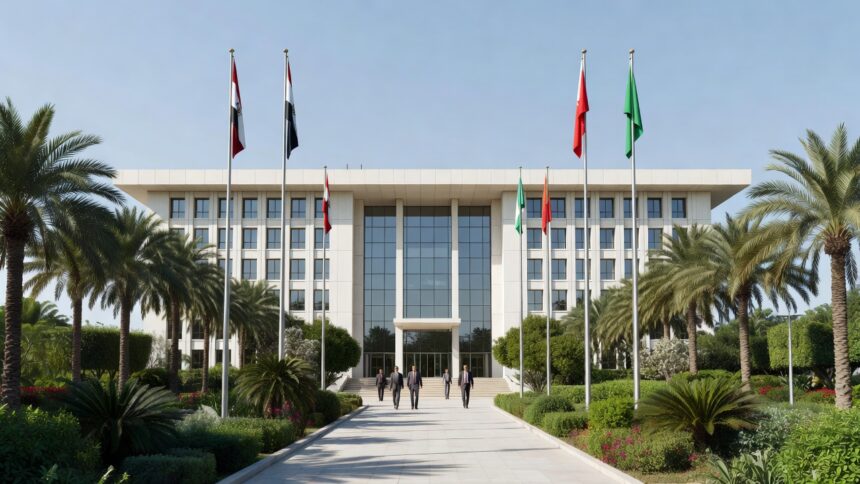


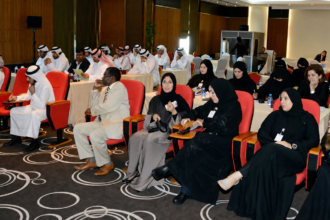
The meetings, which run through September 3 at the Arab League headquarters, gather representatives from member states to examine implementation of resolutions adopted in prior sessions while advancing joint Arab action on economic and social fronts. Saudi Arabia is presiding over the gathering as the current chair. This session is the first to take place following the appointment of Nabil Fahmy as Secretary General of the Arab League, with the new leadership placing particular weight on developmental dimensions of regional cooperation.
The council’s agenda places support for the Palestinian economy at the forefront amid ongoing humanitarian and financial strains. It also features an Arab strategy to bolster labor inspection bodies and prepare labor markets for recovery and reconstruction in Syria. Discussions further address backing for Yemen’s industrial and commercial institute to expand its export capacity as part of broader economic rehabilitation plans, according to the Arab League General Secretariat.
Arab food security forms another central theme, including follow-up on the Arab program for sustainable food security and the Arab sustainable agricultural development strategy covering 2020 to 2030. The session will review the Arab strategy for sustainable management of pastoral resources through 2040 and the Arab strategy for aquaculture from 2018 to 2037. These items reflect sustained efforts to strengthen long-term resilience in agriculture, resource management and food production across the region.
The Economic and Social Council, established under the 1950 Joint Defence and Economic Co-operation Treaty with its first meeting held in 1953, coordinates policies aimed at Arab economic integration. It administers the Greater Arab Free Trade Area and supervises related bodies including the Council of Arab Economic Unity, according to the Arab League’s institutional records. Previous sessions have tracked progress toward completing requirements for the Arab Customs Union and removing trade obstacles among member states.
United Nations Economic and Social Commission for Western Asia data show intra-Arab trade continuing to expand, though barriers persist and the overall share of total trade remains limited. Egypt’s exports to the Greater Arab Free Trade Area reached 19.8 billion dollars in 2025, a 22.9 percent increase from 2024, according to the Central Agency for Public Mobilization and Statistics. Jordan recorded a 4.4 percent rise in national exports to the region during the first half of 2026, reaching nearly 2 billion Jordanian dinars, national statistical department figures indicate.
The current gathering builds directly on the 117th session held in February 2026 under Algerian presidency, which approved a Jordanian proposal to create an Arab network for entrepreneurship and small and medium enterprises, the Jordan News Agency reported. That meeting also examined the effects of artificial intelligence on labor markets and support measures for countries facing instability. Senior officials completed preparatory work on the 118th session’s dual economic and social dossiers in advance of the ministerial-level deliberations.