ع
ع



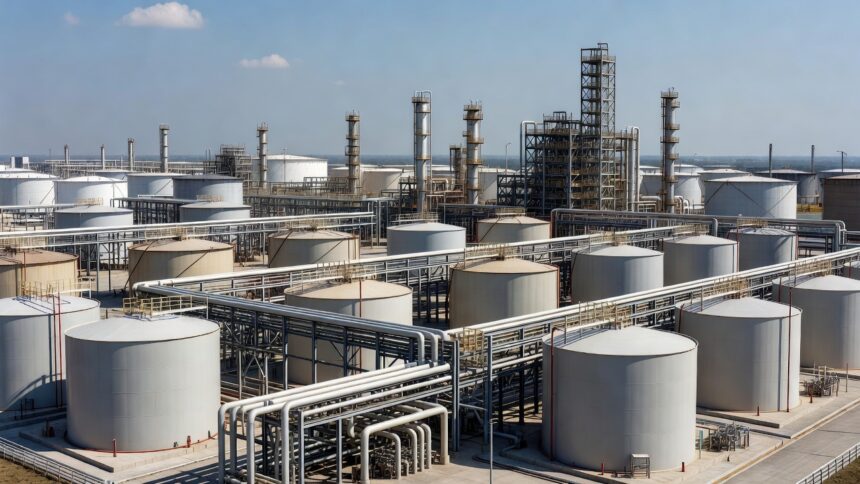


The Emirates News Agency reported that Russia has decided to ease its curbs on diesel exports while simultaneously drawing from reserve stocks to balance market demands. This step comes after the restrictions had been extended through the end of October to ensure domestic stability during peak seasonal use. Deputy Prime Minister Alexander Novak indicated that the lifting of limits would begin immediately rather than on the scheduled date. Russian officials emphasized that domestic fuel needs would continue to take priority even as exports ramp up.
Novak told TASS that Russia stands ready to deliver an additional 300,000 metric tons of diesel to the United States and global partners starting in October. Volumes are expected to increase to roughly 500,000 metric tons in November and 1 million metric tons in December as refinery maintenance concludes. He added that monthly exports could eventually approach 3 million metric tons depending on operational recovery at affected facilities. The comments followed direct discussions between the Russian and American leaders the previous day.
Russia first imposed the diesel export ban in July 2026 after Ukrainian strikes impaired refining operations across the country. The Moscow Times reported that those attacks had taken more than 45 percent of Russia’s refining capacity offline, driving domestic gasoline prices up 21 percent since the start of the year. A separate ban on diesel exports by non-producers remains in force through January, alongside curbs on gasoline and jet fuel. The Federal Anti-Monopoly Service opened investigations into suspected price gouging at independent fuel retailers.
In parallel, the United States released 4 million barrels from its strategic petroleum reserve as part of measures to ease pressure on fuel markets. The Department of Energy has structured recent actions as exchanges in which companies receive crude now and return larger volumes later, ultimately expanding the reserve at no net cost to taxpayers. This forms part of a wider 172-million-barrel U.S. contribution to an International Energy Agency-coordinated release that began earlier in response to conflicts in Ukraine and the Middle East.
Bloomberg reported that the partial lifting of the Russian ban will allow 500,000 metric tons to enter international markets right away, with Russian companies beginning contract negotiations under government oversight. The equivalent of the announced Russian volumes over coming months approaches 36 million barrels of diesel. Germany separately committed to releasing up to 15 million barrels of diesel, heating oil and crude from its own reserves, according to an OilPrice.com assessment, adding to supplies from France for a combined European contribution of 25 million barrels.
The coordinated moves from both Russia and Western nations target shortages that have pushed diesel prices sharply higher in many regions. Novak welcomed the U.S. decision on sanctions relief for qualifying diesel transactions, describing it as a positive signal for global energy trade stability. Russian authorities stated that the domestic market would remain fully supplied throughout the increased export period.