ع




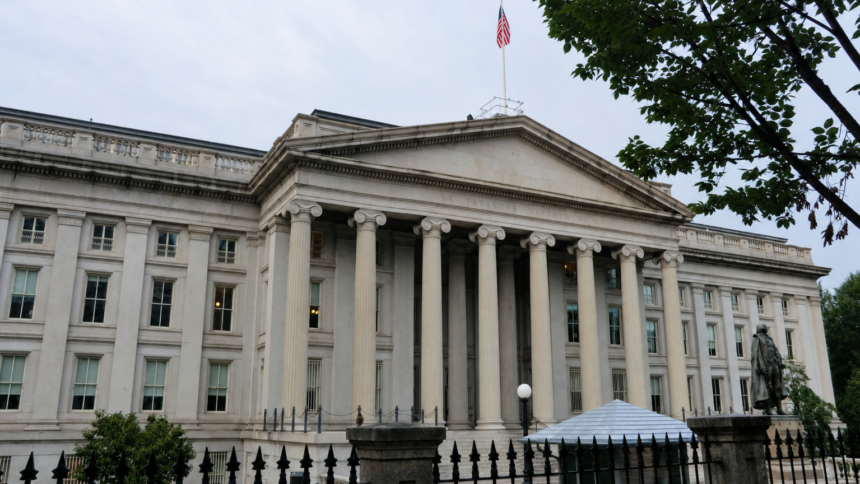


The dollar headed for its third straight week of gains on October 2 perched at a 17-month high as a global bond market rout pushed borrowing costs to multi-decade peaks amid inflationary fears over higher oil prices the Emirates News Agency reported from Singapore. The index measuring the US currency against six rivals held at 102.08. This performance comes as the dollar has strengthened 3.06 percent over the past month according to Trading Economics data.
WAM figures show the euro at 1.1237 dollars near its lowest level since May 2025 while the yen stood at 158 per dollar and sterling at 1.3187 dollars. The Australian dollar fell 0.18 percent to 0.6918 dollars and the New Zealand dollar declined 0.22 percent to 0.5591 dollars both hovering near three-month lows. Such movements reflect the greenback’s sustained momentum built over recent months.
A Reuters report attributed the dollar’s rise to a selloff in government bonds across the US and Europe that lifted Treasury yields to fresh peaks with higher oil prices fanning inflation concerns. Benchmark 10-year Treasury yields climbed toward 5.344 percent their highest since 2002 according to market data cited in the coverage. The euro fell 0.79 percent in the session and has dropped nearly 2.5 percent in September its largest monthly decline since July 2025.
Brian Daingerfield head of G10 FX strategy at NatWest Markets said higher yields have been driven by a confluence of factors in particular concern about fiscal policy including some weakness in French bond markets which may be spilling over into global markets as well as continued concern around energy prices and higher inflation. US inflation data for August came in softer than expected with downward revisions to the prior month lowering near-term rate hike odds a separate Reuters dispatch noted. Yet a surge in euro zone inflation data highlighted ongoing risks from elevated energy costs tied to Middle East tensions.
The Straits Times reported that investors awaited the latest US jobs data with focus on wage growth and its implications for Federal Reserve decisions. Markets have priced nearly four 25-basis-point rate increases by the end of next year even as the chance of an October hike eased to around 37 percent according to LSEG pricing referenced in multiple outlets. Minneapolis Fed President Neel Kashkari noted that price pressures remained elevated despite the softer readings a Morningstar summary indicated.
Resilient US economic signals including an upward revision to second-quarter growth and stronger private payrolls have kept the dollar supported a MUFG Research note stated. The 10-year and 30-year Treasury yields reached 24-year highs at 5.342 percent and 5.683 percent respectively according to Tradeweb data. This dynamic underscores how fiscal risks and term premiums are influencing longer-dated borrowing costs beyond immediate policy expectations.
WAM coverage placed the dollar’s year-to-date performance as up 4.31 percent with the index touching levels not seen since March 2025 in recent sessions. The currency gained against the pound the yen and the euro in the latest trading according to the agency. Analysts continue to monitor upcoming consumer price and employment releases for further cues on the trajectory of US monetary policy.