ع
ع



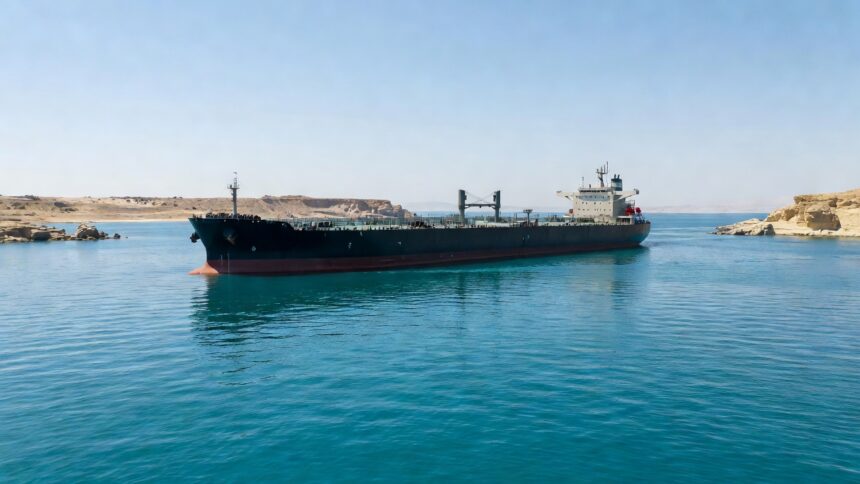


The Emirates News Agency reported that oil prices rose on Friday with both major benchmarks on track to end the week above $100 a barrel for the first time since mid-May as increasing attacks along key shipping routes in the Middle East fueled fears of a prolonged disruption to supplies. Brent crude futures climbed to $108.68 a barrel while West Texas Intermediate crude advanced to $103.45 a barrel after both contracts rose more than 6 percent the previous day for a nearly 13 percent weekly gain that represented the steepest since the week ended July 17. Houthi actions from Yemen have marked an escalation beyond the Strait of Hormuz while Iran stated that it had attacked 10 ships near the strait on Wednesday following U.S. strikes on five Iranian oil tankers.
A Reuters dispatch from the same day noted that the developments build directly on the U.S.-Iran conflict that began earlier in 2026 and has repeatedly disrupted energy flows through the region. This latest surge in tensions has also driven U.S. diesel prices past $6 a gallon for the first time according to GasBuddy data as Ukrainian attacks on Russian refineries compounded the supply strains. Chinese purchase volumes are expected to play a decisive role in determining how far the rally extends analysts monitoring the market have indicated.
IG analyst Tony Sycamore said “With events spiralling and Iran showing it is willing to stretch this conflict as wide and as long as it can it is becoming increasingly likely that WTI crude will retest the $119.48 high from early March.” The assessment aligns with broader market sentiment that has lifted prices from recent lows below $72 a barrel recorded in early July when hopes for a swift resolution to the Hormuz situation had briefly eased pressures a Bloomberg review from June showed. Such volatility reflects an uncertainty premium that has persisted since the conflict’s initial phases when prices briefly spiked above $114 a barrel before retreating on re-routing and demand adjustments.
An S&P Global Energy analysis has revised its outlook to place crude prices broadly in an $80 to $100 a barrel range through 2027 with Dated Brent averaging around $90 or higher for the balance of this year. For the first time since the conflict began the firm does not project Middle Eastern crude oil production to return to prewar levels by the end of 2027 while forecasting fourth-quarter global demand at 80.2 million barrels per day or 4.7 million barrels per day less than a year earlier. These projections underscore how persistent disruption risks have altered long-term expectations for the market.
Economist Ray Perryman told the Midland Reporter-Telegram that the market continues to react to the ebb and flow of the conflict with Iran and perceptions created by those involved noting that crude has swung from the low $60s in February to $114 in April before falling below $70 in early July and then rising again. He pointed to a degree of overreaction in these numbers along with an uncertainty premium as skepticism about various pronouncements grows which is likely to sustain speculation and volatility as long as the Strait of Hormuz remains constrained without a clear path to resolution. Perryman’s observations highlight how the current price action incorporates both fundamental supply shifts and geopolitical signaling.
The International Energy Agency has tracked how demand growth particularly from non-OECD countries in Asia has continued despite the headwinds though recent data revisions reflect the impact of higher costs on consumption patterns. OPEC’s ongoing supply management through production adjustments has provided a counterbalance according to the group’s monthly assessments helping to prevent even sharper swings in the benchmarks. Market participants will continue to weigh these elements against real-time developments in the Middle East as the week closes with prices firmly above the key $100 threshold.