ع
ع





Xinhua quoted Premier Li Qiang as saying that the problem of insufficient domestic demand remains prominent, with some industries and enterprises facing increasing difficulties and uncertainties in the external environment on the rise. “We should actively stabilise external demand, expand mutually beneficial international economic and trade cooperation and promote balanced trade development,” Li said at the cabinet session. The premier vowed to strive to achieve the annual economic development goals while making full use of existing policies and introducing new practical measures in a timely manner.
According to the National Bureau of Statistics, China’s gross domestic product expanded 4.7 percent in the first half of 2026, with growth cooling to 4.3 percent in the second quarter from 5.0 percent in the first. That April-to-June reading fell below the lower end of the official full-year target range of 4.5 percent to 5.0 percent. Figures released on the day of the meeting indicated that industrial output and retail sales lost momentum in July, adding to signs of subdued activity.
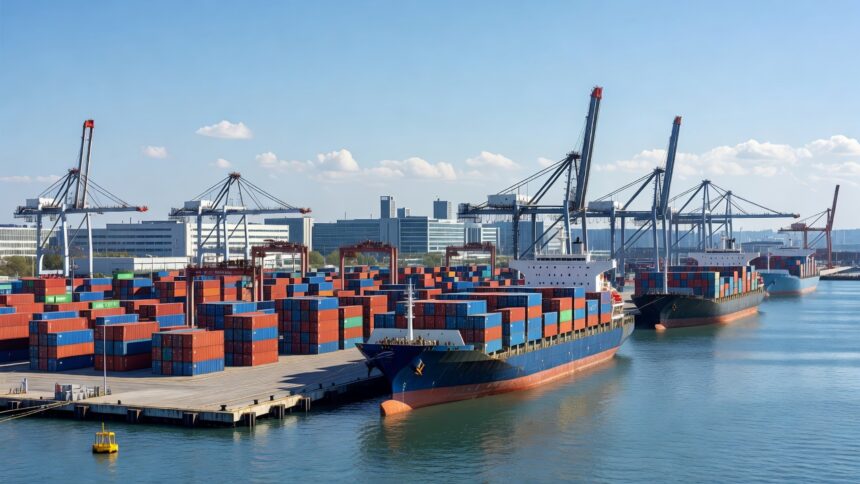
A prolonged property crisis has constrained investment and household spending, leaving the world’s second-largest economy reliant on exports to sustain overall growth, a Reuters assessment found. This dependence has increased vulnerability to trade frictions with key partners and to the potential drag from conflicts that could weaken global appetite for Chinese products. Exports of high-tech goods tied to artificial intelligence infrastructure buildouts have nevertheless provided a notable offset.
Li identified the expansion of domestic demand as a strategic priority and pressed for stronger efforts to promote employment alongside income growth. The premier further called for stepped-up investment in emerging sectors as well as innovative financing mechanisms capable of drawing more private capital into infrastructure. Xinhua reported that the premier offered no detailed blueprint for the external-demand measures during the session.
National Bureau of Statistics data places first-half industrial value-added growth at 5.4 percent, led by a 13.3 percent surge in high-tech manufacturing and a 9.3 percent rise in equipment production. These advances in advanced sectors have helped sustain output even as traditional drivers falter. Such patterns underscore the premier’s emphasis on cultivating fresh growth drivers to meet the year’s targets.